Tag Archives: environmental volunteers

Volunteers Clean Big Muddy

IMG_0289(Photo by Robert Barossi)

by Robert Barossi

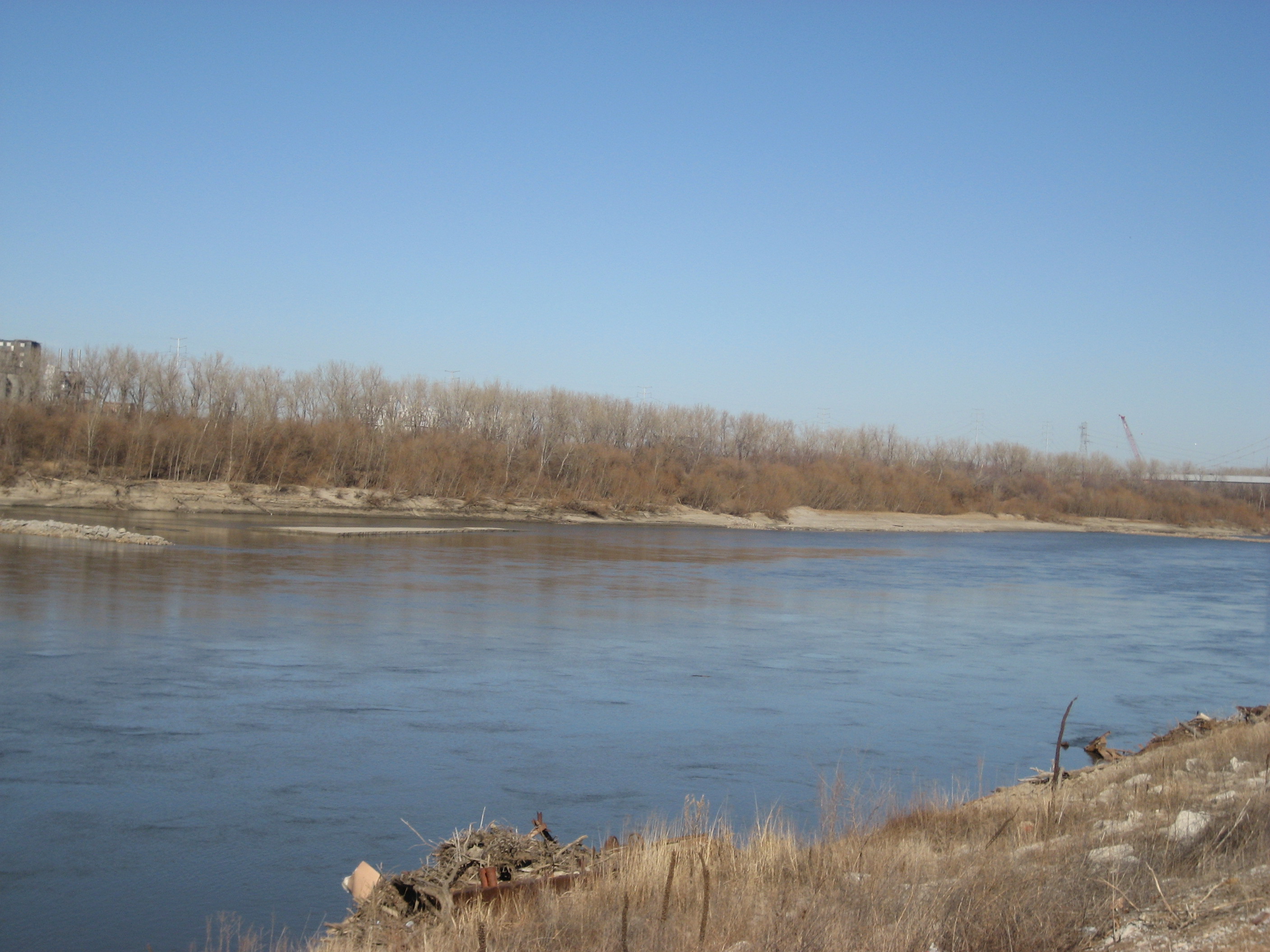
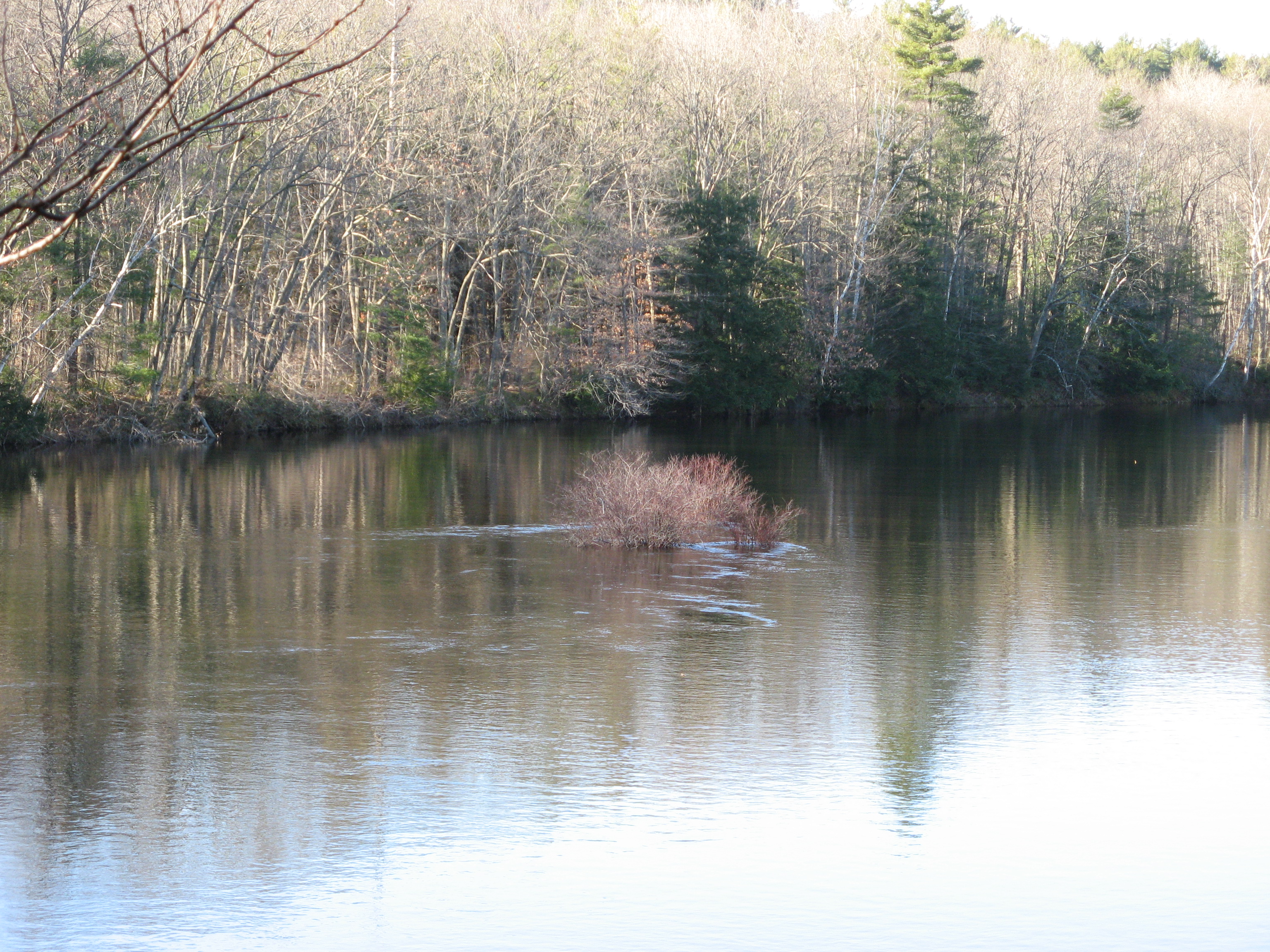
Yesterday’s story focused on how environmental volunteers are impacting modern public transit systems and their use. Today, a story about how volunteers are impacting a river that has been a route of transportation and a center of life and culture for thousands of years: the Missouri River. Affectionately known as “Big Muddy,” the Missouri begins its journey in western Montana and runs for more than two thousand miles until it meets up with the Mississippi in St. Louis. Along the way, it directly impacts the lives of millions of people and wildlife who live along its banks and depend on it for their lives and livelihoods. And all along those banks, pollution is a serious problem, one which often includes volunteers in the solution. Just one example is this story out of Ohama, about 140 volunteers who came together for an annual river cleanup. The group collected about ten tons of trash, according to the article, and found a wide variety of items, from mud-filled television sets to bottles of deer urine. It’s just one of many efforts happening in many places where people are trying to maintain the health of the majestic and mighty Missouri.

If you’ve enjoyed the stories on this blog, download my eBook, Being Where You Are: How Environmental Volunteers Impact Their Community and the Planet Every Day

iTunes

Amazon

Kobo Books

Barnes and Noble

BeingFinal

Two Tales of Hard Working Volunteers

IMG_2700(Photo by Robert Barossi)

by Robert Barossi

Some days, there are so many great stories out there about the amazing work of environmental volunteers, it’s hard to choose just one to post on here. So, this morning, I’m not going to limit it to just one. These two articles really stood out as great stories of the kind of hard work that environmental volunteers are doing every day, in every corner of the planet.

First, out of Washington, is a story about a group of volunteers who are removing a section of pavement so they can replace it with plants and create urban green space. The Pierce Conservation District is leading the effort to change this small portion of Tacoma and reclaim it for nature. Volunteers are lifting out the sections of broken-up pavement and will soon plant trees and shrubs in it’s place, which will provide a number of benefits for the community.

Second, from Colorado, near Aspen, comes a inspiring story about an environmental organization and the amazing strides it and its volunteers have made in the area. Now in it’s 20th year of land stewardship, Roaring Fork Outdoor Volunteers is an active and successful organization, leading efforts that range from building trails to environmental education in local classrooms.

If you’ve enjoyed these or any of the stories on this blog, download my eBook, Being Where You Are: How Environmental Volunteers Impact Their Community and the Planet Every Day

iTunes

Amazon

Kobo Books

Barnes and Noble

BeingFinal


Volunteers Count Crabs

ID-100292377Image courtesy of Elwood W. McKay III at FreeDigitalPhotos.net

by Robert Barossi

Environmental volunteers are invaluable when it comes to gathering important and essential data. In many cases, that data relates to wildlife populations. How many of the species are living in an area? Where are they living? Are they migrating? If so, when and to where? These kinds of questions are answered by dedicated volunteers, who often do the work at all hours of the day and night, in all sorts of weather conditions. In Delaware, volunteers are monitoring populations of horseshoe crabs, a species that is important to the ecosystem and to the human population. According to the story, “The fishing industry uses horseshoe crabs for bait. Migratory birds eat their eggs. And biomedical companies use their blue blood to make a special clotting agent.” These are just a few reasons why volunteers are wading out in to the water every night to count the crabs. They’re also paying special attention to the health of the female population who are spawning. This is especially important data which will help scientists gain an understanding of the health and the future of the horseshoe crab.

You can check out the Delaware National Estuarine Research Reserve and the Atlantic States Marine Fisheries Commission for more information.

If you’ve enjoyed any of the stories on this blog, download my eBook, Being Where You Are: How Environmental Volunteers Impact Their Community and the Planet Every Day
iTunes

Amazon

Kobo Books

Barnes and Noble

BeingFinal

Volunteers Spruce Up a River

IMG_2270(Photo by Robert Barossi)

by Robert Barossi

Now that summer is upon us, it’s even easier for volunteers to get out and get involved. And there’s no snow and ice to get in the way of important environmental volunteer work. This is the second story I’ve come across lately about volunteers getting into a river to rehabilitate it’s banks, something that would probably be difficult or impossible in the winter, especially in Alaska. In that state, volunteers are working along the Kenai River, using debris from spruce trees to rebuild the river’s banks, prevent future erosion, and create habitat for fish. The work will have short and long term benefits for the river, it’s ecosystem and the species that make it their home. Those benefits will happen thanks to the work of Kenai Watershed Forum Stream Watch and a number of dedicated environmental volunteers.

If you’ve enjoyed any of the stories on this blog, download my eBook: Being Where You Are: How Environmental Volunteers Impact Their Community and the Planet Every Day

iTunes

Amazon

Kobo Books

Barnes and Noble

BeingFinal

Volunteers Help Salmon with Christmas Trees

IMG_2853(Photo by Robert Barossi)

by Robert Barossi

At first, it may seem that Christmas trees and salmon don’t really go together. In this case, they do. Volunteers are part of an effort in Oregon to create spawning habitat for salmon by using parts of Christmas trees. As the trees were collected, tree parts and debris were used to slow the water down, creating  places where salmon can spawn. A collection of groups and organizations were involved in the effort, including the South Coast chapter of Coastal Conservation Association Oregon and a number of local students.

If you’ve enjoyed the stories on this blog, check out my eBook, Being Where You Are: How Environmental Volunteers Impact Their Community and the Planet Every Day

iTunes

Amazon

Kobo

Barnes and Noble

BeingFinal

High School Volunteers Clean Up Oil Spill

367(Photo by Robert Barossi)

by Robert Barossi

For this week’s second story, let’s stick with the theme of young environmental volunteers. Yesterday it was teens in Virginia involved in a myriad of important environmental projects. Today, let’s go all the way across the country to the coast of California, where a major oil spill recently hit the Santa Barbara area.

In this great story, three students from Santa Clarita Valley High School took action and got involved in the cleanup efforts. According to the article, they “took their two shovels, big plastic bags, masks, Home Depot buckets and gloves and went to work scooping up 70 gallons of oil off of the beach over the course of two days.” It’s another inspiring story that makes one feel optimistic about the environmental volunteers and leaders of tomorrow.

If you’ve enjoyed the stories on this blog, check out my eBook, Being Where You Are: How Environmental Volunteers  Impact Their Community and the Planet Every Day
iTunes

Amazon

Kobo

Barnes and Noble

BeingFinal

Green Teen Volunteers

IMG_0218(Photo by Robert Barossi)

by Robert Barossi

Finally back here at the blog after what I now realize has been two weeks. Time definitely got away from me there, maybe it’s been the beautiful weather and all the opportunities to enjoy the outdoors. Or just the sometimes-crazy busy moments of life.

This great story out of Virginia, about some inspiring teenagers and their amazing environmental work,  seemed appropriate for the moment. It’s that time of year, when there’s a graduation every weekend, it seems. Colleges and universities have most likely already ended their academic years. High schools and lower-grade schools will soon follow suit. Many graduating high school seniors will go on to college to study environmentally-related academic fields. Others won’t go to college and will be working in fields that are directly related to the environment. They are all the environmental volunteers of the future.

Check out more information here on Project Green Teens and all of their work.

If you’ve enjoyed any of the stories on this blog, download my eBook, Being Where You Are: How Environmental Volunteers Impact Their Community and the Planet Every Day

iTunes

Amazon

Kobo

Barnes and Noble

BeingFinal

Volunteers Create Butterfly Habitat

IMG_2141(Photo by Robert Barossi)

by Robert Barossi

In another story about a disappearing species, monarch butterfly populations have been seriously declining in recent years. Due to a number of reasons, many of them human-related, the milkweed plants where monarchs lay their eggs are vanishing from the landscape. As this environmental volunteer story out of New Jersey points out, if there’s no milkweed, there are no monarchs. Thanks to the volunteers in the story, milkweed is being planted in a small area near the New Jersey Botanical Garden. As the event proves, anyone can make their own backyard monarch-friendly by doing the same thing, planting milkweed wherever they are, as long as it’s a place where the plant will grow and thrive. If it does, it will provide an essential place for monarchs to breed, adding another small but important step in the attempts to keep this beautiful butterfly species alive.

For more inspiring stories of dedicated environmental volunteers, download my eBook, Being Where You Are: How Environmental Volunteers Impact Their Community and the Planet Every Day

iTunes

Amazon

Barnes and Noble

Kobo Books

BeingFinal

Volunteers and a Chain of Lakes

Underwater Leaves(Photo by Robert Barossi)

by Robert Barossi

The previous post was a story about a small city and how its residents are trying to maintain green space in their area. Today, a story about keeping nature green in another metropolitan area, this time one of the largest in the country. Near Chicago, just to the northwest, the Chain of Lakes is a series of fifteen interconnected lakes, primarily connected by the Fox River. As this story out of that city describes, environmental volunteers took part in a major cleanup effort, aimed at cleaning and greening the entire waterway. The Fox River Chain O’ Lakes Waterway Cleanup included volunteers working at a number of different locations around the lakes, filling numerous large dumpsters with trash and pulling out of the water everything from hypodermic needles to a kitchen stove. The effort was led by the Fox Waterway Agency, now in its fourteenth year of hosting the annual event.

If you’ve enjoyed the stories on this blog, check out my eBook, Being Where You Are: How Environmental Volunteers Impact Their Community and the Planet

iTunes

Amazon

Kobo Books

Barnes and Noble

BeingFinal

Volunteers Build an Urban Forest

Up a Tree(Photo by Robert Barossi)

by Robert Barossi

Lots of environmental volunteer stories involve heading out into the wilderness, deep into woods and forests, to conduct volunteer work. Just as important, though, are the efforts that take place in our cities. Environmental volunteer work is happening in numerous urban centers, from major metropolitan areas to the smallest of cities. On the gulf coast of Mississippi, in the city of Pascagoula, volunteers have been working to create what they’re hoping will be an urban forest. Work on the one acre plot of land includes removing invasive species and planting native trees, among other projects. They are hoping to make I.G. Levy park even more of a green space and attract more birds and wildlife to the area, as well as more tourists and nature lovers. In industrialized and urbanized places like this, nature is often nearly wiped out. It’s usually up to volunteers to keep these pockets of wild, green spaces, and the nature that thrives there, alive and well.

If you’ve enjoyed the stories on this blog, download my eBook, Being Where You Are: How Environmental Volunteers Impact Their Community and the Planet

iTunes

Amazon

Kobo

Barnes and Noble

BeingFinal