Tag Archives: environmental volunteers

Raising Weevils

IMG_0203(Photo by Robert Barossi)

by Robert Barossi

When I was interviewing volunteers for my book, I spoke to a mother and daughter who were volunteer “beetle ranchers.” They were working with Neponset River Watershed Association to help raise beetles which, when released, would help reduce or eliminate Purple loosestrife in areas along the Neponset River. In this great story from the Shreveport Times, volunteers are part of a similar process down south. Salvinia weevils are being raised in a recently completed greenhouse, one which volunteers helped to construct. The volunteers will also be helping to raise the weevils so that “as many weevils as possible” can be released into “selected areas” of Caddo Lake. The goal is to reduce or eliminate Salvinia, an invasive weed which has been spreading through bodies of water throughout the area.

More information here from the Greater Caddo Lake Association, the lead organization on the project. Also some information on the lake and issues it faces from the Caddo Lake Institute as well as the Giant Salvinia Control Team.

Saving Seabirds from Oil Spills

ID-10079108(Photo by Vlado, courtesy of FreeDigitalPhotos.net)

by Robert Barossi

The problem of oil spills and their devastating impact is not new. And it’s not going away any time soon. Unfortunately, it seems likely to get worse, as new pipelines are built on land and offshore drilling sites are created at sea. This article from Australia describes one innovative and creative way that volunteers are helping to save seabirds who are caught in the mess of an oil spill. They have modified a shipping container and turned into a facility where volunteers can be trained how to save oiled birds. This great idea seems like something that could be replicated pretty much anywhere, giving volunteers in any location similar opportunities to learn what to do when helping wildlife after an oil spill. The more people who can lend a hand and help out, after getting the proper training  in a unique facility such as this one, the more birds and other animals that can be saved.

For some more information about how Australians are helping sea birds, especially those in danger from oil spills, check out Australian Seabird Rescue

Watching Grass Grow

IMG_1538(Photo by Robert Barossi)

by Robert Barossi

Ok, I admit it. At first, that doesn’t sound all that exciting, watching grass grow. But, in fact, it’s not only exciting in an environmental and ecological context, it’s also essential work. The grass in this case is Saltmarsh Cordgrass (or Spartina alterniflora), an extremely important part of the ecosystem in marshes along the Florida coast. As the article states, “The grass is the foundation for a whole web of marsh life that brings both work and play to the region.” Also mentioned in the article is that volunteers will be helping to do some of the work involved in important studies, including pulling out individual grass plants and replanting them in areas where they can do the most good. This kind of work is becoming more and more important as sea levels rise, which will cause as-yet-unknown impacts to coasts and coastal marshes. Volunteers will no doubt be out there helping to implement the solutions to those impacts or perhaps helping to  prevent them before they happen.

The Saltmarsh Cordgrass project is under the auspices of the Northeast Florida Aquatic Preserves and the study is primarily taking place in the Guana Tolomato Matanzas National Estuarine Research Reserve.


Shaping the Shoreline

 Onondaga_Lake_Park(Photo by Joegrimes at en.wikipedia [Public domain], from Wikimedia Commons)

by Robert Barossi

This story came to me from my friend (and fellow Green Mountain College alum) Christine Harris. On the environmental blog The Ecotone Exchange, you will find of excellent articles, well worth reading. The story comes from upstate New York, where members of the Onondaga Lake Conservation Corps are actually creating a new wetland through their work, which includes planting native shrubs and trees and building habitat structures. This very hands-on work is both inspiring and educational and will go a long way towards protecting the habitats and species of the lake’s shoreline. It’s also likely to increase awareness among the human population and foster a greater connection to this precious natural area.

Check out more information on the Onondaga Lake Conservation Corps here. And some great photos form the project are here.

One Volunteer’s Experience

Foliage Reflected(Photo by Robert Barossi)

by Robert Barossi

Been coming across a lot of stories lately that focus on volunteers who work in wildlife rescue and rehabilitation. This one struck me because it’s in the volunteer’s own words, talking about her own personal experience. In a story out of Ontario, Paolina Lioren tells of her volunteer adventure and ends with a great line, “I look forward to doing it all over again next spring/summer, because, at the end of the day, every life matters and that’s what really counts!”

The organization Paolina worked with, Aspen Valley Wildlife Sanctuary, can be found here.

Helping Wildlife in Australia

IMG_1860(Photo by Robert Barossi)

by Robert Barossi

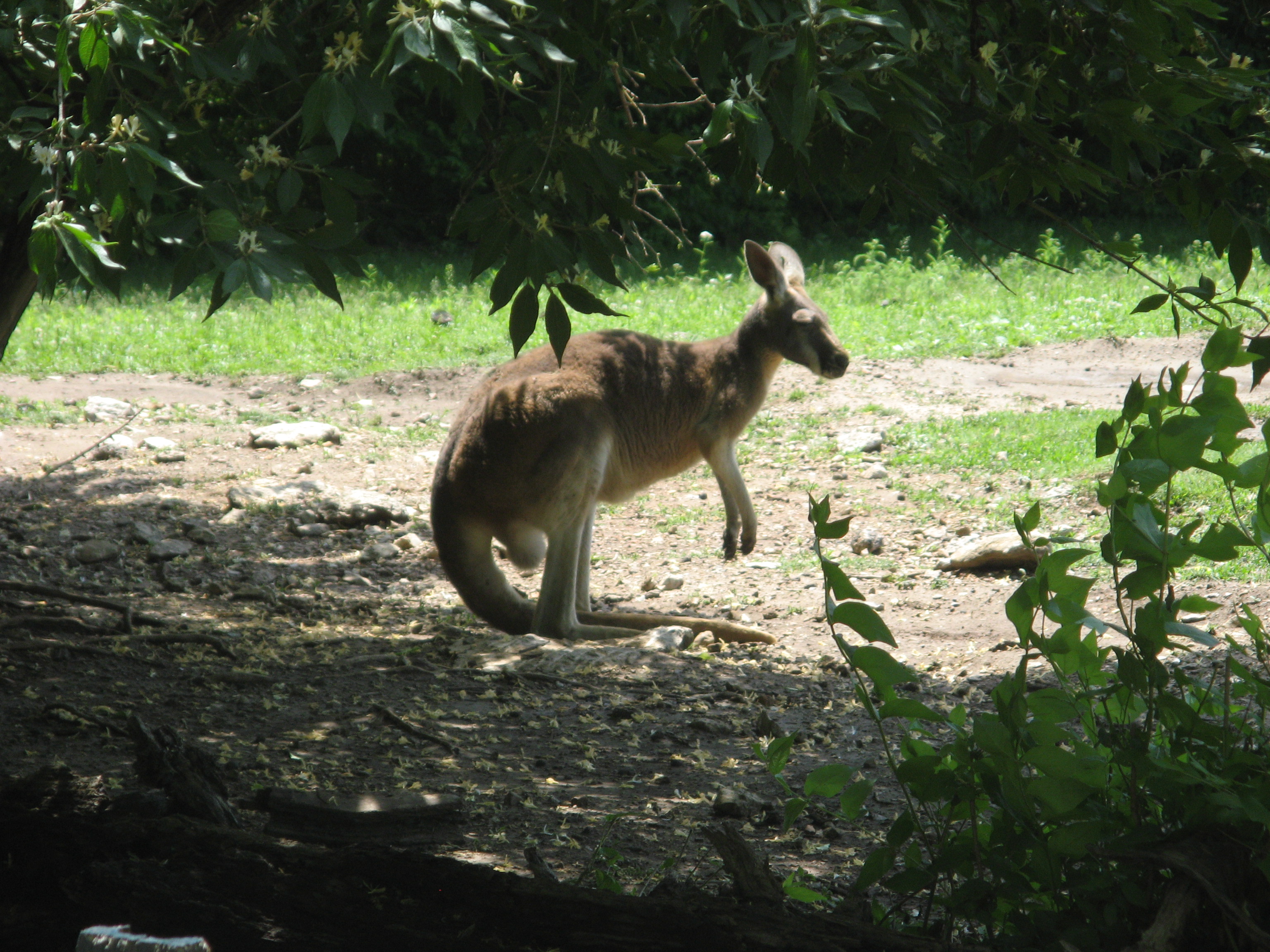
When it comes to wildlife, it’s their planet and we’re just living on it. No matter where humans live, they are going to come into contact with all types of wildlife. Where I live in Massachusetts, there are constant stories about deer, coyotes and bears, often found roaming the suburbs. There are also numerous stories of deer being hit by cars and either wounded or killed. That sort of dangerous and deadly contact with wildlife happens everywhere and it is often volunteers who help to nurse or rehabilitate the wounded animals. This article from Australia describes the massive number of animals who are killed in accidents with motorists. It also mentions volunteers who help to rescue and rehabilitate the animals, including kangaroos, wallabies, possums and many other species.

More information here bout the Wildlife Information Rescue and Education Service, which leads much of the effort.

Appreciating and Honoring Volunteers

436(Photo by Robert Barossi)

by Robert Barossi

I feel pretty confident in saying that not one of the volunteers I interviewed for my book ever did anything for any kind of public recognition, attention or reward. Volunteers do what they do for a myriad of reasons but it’s almost never for the recognition, even though they often deserve it. Most, if not all, organizations do recognize and reward or thank their volunteers, often with an annual event or ceremony of some kind. This story from Delaware’s Cape Region, found on CapeGazette.com, describes on such event. According to the article, “Wetland Warrior Award, now in its seventh year, is presented annually to a citizen, organization, or business that has demonstrated exemplary efforts to benefit Delaware wetlands in the areas of outreach and education, monitoring and assessment, or restoration and protection.” From the sound of it, this years recipients truly deserved the recognition.

Keepers of the Lake

IMG_0203(Photo by Robert Barossi)

by Robert Barossi

While interviewing volunteers for my book, I came across many who worked as volunteer water quality monitors. They often impressed me with their stories of going to a spot along a river, repeatedly throughout the year, in any weather, to take samples of the water. Water sampling is an essential practice so that scientists can study and examine the water for pollutants, bacteria, pH levels, dissolved oxygen and other factors. This story out of Idaho, from the Bonner County Daily Bee, describes the water monitoring work of volunteers along Lake Pend Oreille, Idaho’s largest lake and one of the deepest in the U.S. Whether it’s in suburban Massachusetts, where I met volunteers, or in rural Idaho, the water monitoring work is very similar and the gathered data is equally important.

More information about the Lake Pend Oreille Waterkeeper, the organization behind the water quality monitoring.

Volunteers Helping Trees Worldwide

Up a Tree(Photo by Robert Barossi)

By Robert Barossi

This morning, I came across this quote online: “Trees are the earth’s endless effort to speak to the listening heaven.” That got me to thinking about how much volunteers help to care for trees in their local communities.  In Joplin, Missouri, volunteers are helping to water trees in the city, according to this article from FourstatesHomepage.com.   On the other side of the globe, in India, this story from The Times of India about volunteers removing nails that were left in trees when advertisement signs were hung there and them removed. And in Australia, volunteers in this story from Port Macquarie News helped to plant trees during Port Macquarie Landcare’s National Tree Day celebration.

More information about the Joplin initiative is here. And the Port Macquarie Landcare Group has a webiste, linked here.


Fighting Invasives in Canada

Through the Trees(Photo by Robert Barossi)

By Robert Barossi

Invasive species can be more than just a nuisance. They can seriously impact the ecosystem they invade, and those impacts are often, if not usually, negative. They can be detrimental to many other species in the area, including robbing those species of food or other resources. This story focuses on the Clifford E. Lee Nature Sanctuary, not far from the city of Edmonton. Volunteers have been an essential part of the process which has greatly reduced the amount of creeping thistle in the area. One of the story’s many great aspects is the mention of the “invasive species appetizers” volunteers were served, along with recipes to take home with them. Dandelion pesto, anyone?

The Sanctuary’s website is here and here is a link to Nature Conservancy of Canada, which recently hosted the invasive species removal event for the ninth time.