Category Archives: Uncategorized

After the Flood

Underwater LeavesPhoto by Robert Barossi

by Robert Barossi

On the radio this morning, there was a conversation about potential flooding in the middle of the United States, especially places like Nebraska and Iowa. There are a number of things that can go wrong for our rivers and flooding is just one of them, but it’s one that people don’t often think about until it happens to their own river, in their own backyard. It’s often, if not always, volunteers who are doing the work to lessen the impact of floods, piling sandbags along a riverbank, for example. Volunteers are also the ones who go back to the river after the floods recede, picking up the trash and debris left behind. Here’s one such story, from the Little Thompson River in Colorado. A similar article from a local news station describes how the Little Thompson River Corridor was ravaged by floods in 2013 and how volunteers now work to repair the damage.

In the Land We Trust

IMG_0214

Photo by Robert Barossi

By Robert Barossi

When I was working on my book about environmental volunteers, many of the organizations interested in participating where land trusts. During the course of that work, I visited with volunteers who worked with land trust large and small, rural and suburban. These kinds of organizations, dedicated to protecting and preserving the land, are everywhere and are often made up completely of volunteers. Even if they do have some paid staff, they all rely on volunteers in many ways, to help them achieve a wide variety of goals. This article from the Shreveport Times tells a great story about the Finger Lakes Land Trust, an organization which has been doing great work in upstate New York for 25 years.

Finger Lakes Land Trust’s website can be found here.

For the Bird

ID-1002937Photo by Tom Curtis, provided by FreeDigitalPhotos.net

By Robert Barossi

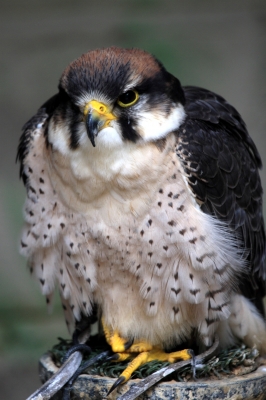
Ok, I admit it, I’m partial to birds of prey. I’ve always had a fascination with hawks, falcons, osprey and the like. So I just had to take a closer look at this great volunteer story out of Syracuse, NY. Volunteers are working as part of a “fledge watch” group, monitoring a baby peregrine falcon, to make sure it survives and thrives. The article, from Syracuse.com also has a link to a camera that monitors the bird constantly as well as a link to the Facebook page dedicated to the Syracuse peregrine.

The efforts to protect the peregrines are being led by the New  York State Department of Environmental Conservation.

And you can look here to learn more about peregrines in general.

Volunteers in the Desert

IMG_2400(Photo by Robert Barossi)

by Robert Barossi

The last post focused on some volunteer activities related to our oceans. Today, a switch to the opposite end of the spectrum: Deserts. Specifically, the desert of southern California. This interesting story discusses the controversy surrounding  “drinkers,” man-made structures designed to give wildlife places to consume water in the desert. Volunteers have been repairing them for years and now there’s a debate over whether or not we should be providing animal’s with artificial watering sites. Find more information about the group doing the repairing, Water For Wildlife here and find more info about the Mojave National Preserve here.

Volunteers and The Deep Blue Sea

IMG_0632(Photo by Robert Barossi)

By Robert Barossi

It’s no secret that there is a lot of trash floating around in the ocean. It’s now common to hear stories and see photos of floating islands of trash, occupying vast stretches of the ocean. There’s also plenty of trash that is winding up on beaches, shores and coastlines all over the world. This post from the Southtown Star in Chicago notes that “For example, during Ocean Conservancy’s International Coastal Cleanup last year, volunteers around the world picked up 10 million pounds of debris in one day.” Whether it’s on one day or all 365 days out of the year, coastal cleanups are a massive, worldwide undertaking. And it’s volunteers who are doing much of the work to pick up all that trash.


From this story out of Tasmania to this one from the coast of Britain.


And on beaches from Nova Scotia to Texas.


Volunteering on Earth Day and All Year Round

IMG_0205(Photo by Robert Barossi)

by Robert Barossi

As we end March and begin April, Earth Day is fast approaching. The observance of Earth Day on April 22nd has been an important opportunity to celebrate the planet since the event first began back in 1970. Every year, volunteers are an essential part of Earth Day activities, with volunteers often taking an leading and inspiring role in numerous ways. This article from Atlanta INtown demonstrates how these activities and events take place all month long, not just on the 22nd. And at the vast majority of them, volunteers play a major role.

It’s not too early to start planning your own Earth Day activities. Here are a few helpful sites: Earth Day Network  and the U.S. EPA’s Earth Day Page

Environmental Volunteers from the Armed Services

P1010142

(Photo by Robert Barossi)

By Robert Barossi

Today, a great story out of Marine Corps Base Quantico. Under the guidance of the Natural Resources Branch, 80 to 100 people volunteer on a number of conservation projects, from trapping turkeys for banding to posting signs and fixing bridges. Many of these volunteers are retired military personnel, including retired colonels. This article provides an example of how the military gets involved in environmental conservation and how volunteering for the environment is a rewarding and exciting activity for retired people from all walks of life. Check out the full story here.

Volunteers Help Our Friends in the Wild

IMG_2141(Photo by Robert Barossi)

While many of the stories posted thus far have dealt with volunteers working to preserve rivers, parks and natural landscapes, volunteers also work to help out friends in the animal kingdom. From banding birds to help track migrations to assisting in wildlife rehabilitation, environmental volunteers are working tirelessly for many non-human species every day. Here are a just a few recent examples:

In South Texas, the Friends of Laguna Atascosa National Wildlife Refuge recently won an award from the U.S. Fish and Wildlife Service. The 2013 Southwest Region Friends of the Year Award was given in recognition of the Friends’ conservation efforts, especially those efforts aimed at protecting the ocelot, an endangered species of wild cat.

Far to the north, in Western Pennsylvania, volunteers are helping out another type of animal species: frogs. Volunteers are currently being trained to listen for and identify frog calls from the area’s thirteen species of native frogs. This is part of a nationwide citizen science effort aimed at collecting data for the Association of Zoos and Aquariums and their FrogWatch USA program. Collected data will help agencies to monitor amphibian populations, which can provide important data related to an area’s ecological and environmental health.

While those volunteers were listening for frog calls, volunteers in San Francisco have been counting an even smaller species, monarch butterflies. Monarch populations have been decreasing for a number of years but butterfly counts on the west coast, often performed by volunteers, recently indicated a slight reversal in the trend as populations actually increased slightly. As this article from Bay Nature describes, volunteers in San Fransicso and across the state are essential in making events like the Western Monarch Thanksgiving Count a success year after year.

Cleaning Up Down Under

Through the Trees


(Photo by Robert Barossi)

Coming up on Sunday, March 2nd is this year’s Cklean Up Australia Day, an event across Australia where, in 2013, hundreds of thousands of volunteers cleaned up trash at thousands of sites nationwide. Volunteers are essential to these kinds of massive efforts. Just one example of a single cleanup happening in the Wolgan Valley is this article from the Lithgow Mercury. The story details efforts led by the Emirates Wolgan Valley Resort and Spa to clean up the surrounding area. The resort claims on its website to be “Australia’s most environmentally responsible tourist destination.” This is just one example of how they back that up and, in doing so, get local volunteers involved.

Clean Up Australia Day’s official website can be found here.

Following the Parade

Rocks in Still Water(Photo by Robert Barossi)

Let’s face it, parades, while they are lots of fun, are often not environmentally friendly. Lots of trash and debris from all of those spectators ends up strewn everywhere, littering the streets and sidewalks. Much of it does get picked up and finds its way to landfills. Some of it takes the next opportunity to flow into storm drains. And some of it just sits there for a very long time. This year, during Mardi Gras in  Mobile, Alabama, volunteers will be helping to prevent the ecologically-unfriendly consequences of the city’s parades. This post from AL.com details how eco-volunteers will be cleaning up the streets during upcoming Mardi Gras parades. The volunteers will be following the parade with eco-carts, collecting recycling and litter along the way. These efforts will go a long way towards making Mardi Gras a lot greener in Mobile.

Some of the organizations connected with this effort include:

Downtown Mobile Alliance – www.downtownmobile.org

Alabama Coastal Foundation – www.joinACF.org