Category Archives: environmental volunteers

Volunteers Building Trails

P1000061

(Photo by Robert Barossi)

by Robert Barossi

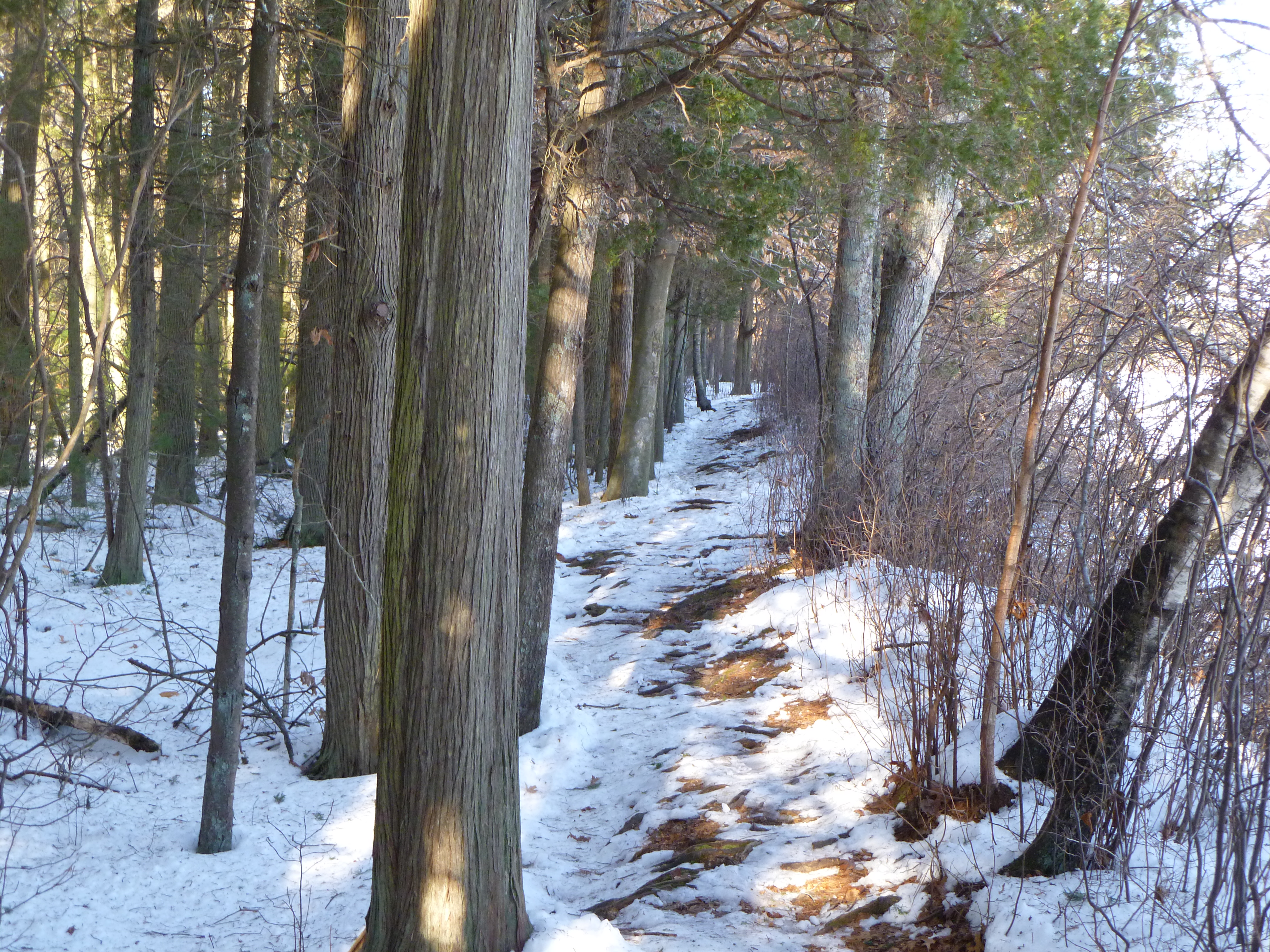
This story isn’t so much about one particular volunteer or group of volunteers. Instead, it highlights one of the most important activities that environmental volunteers take part in: trail building. The focus here is on a redwood forest near the city of Arcata in northern California, tucked in along the coast and not far from the redwood-filled national forests that dot the landscape of that part of  The Golden State. Volunteers are playing an essential and vital role in the building and maintenance of trails in the Arcata Community Forest as well a newly designated community forest, the McKay Community Forest, which is in nearby Eureka. In that new community forest, volunteers will be helping to build new trials, with a planned opening for public use some time early this year. Here in the frozen northeast, volunteers will be just as busy, as the snow and ice begin to thaw and they head back out into the local forests to repair and maintain our area’s trails. It’s the same kind of dedicated work performed by environmental volunteers year round, around the globe.

If you have enjoyed any of the stories on this blog, check out my eBook, Being Where You Are: How Environmental Volunteers Impact Their Community and the Planet Every Day

Amazon

Barnes and Noble

iTunes

BeingFinal

Volunteers Vs. Invasives

P1000305(Photo by Robert Barossi)

by Robert Barossi

One sentence in particular caught  my eye when reading this environmental volunteer story: “REEF volunteers armed with filleting knives sliced up the carcasses, carefully avoiding the fish’s venomous spines.”

How can you read that and not want to see what these volunteers are up to? In this case, they are working along with the Reef Environmental Education Foundation to reduce populations of invasive lionfish. Check out the story, courtesy of National Geographic, to see just how successful all that knife-wielding volunteer work has been.

If you have enjoyed any of the stories on this blog, check out  my eBook, Being Where You Are: How Environmental Volunteers Impact Their Community and the Planet Every Day

Amazon

Barnes and Noble

iTunes

BeingFinal

Volunteer Weather Watchers

P1000054(Photo by Robert Barossi)

by Robert Barossi

Ten days later and it’s still freezing outside. The snow has stopped, at least, after six feet of snow fell in just a few short weeks, leaving enormous piles of snow lining every narrowed street. On the other hand, arctic air is now coming our way, with record low temperatures forecast for this week in Boston. Still, that’s nothing compared to some of the weather they are getting in northern Canada. In many isolated parts of that country, it’s volunteers, like the ones featured in this article, who are recording weather conditions and collecting climate data. These “weather watchers” are collecting data for Environment Canada, which often means they are in the outdoors in extreme conditions. These recordings aren’t just impressive because they are done under extreme weather conditions, but also because they are often done in places which are isolated and/or difficult to access (such as spots that are only accessible by boat or plane). According to this story, these weather-recording volunteers are a “dying breed,” which is unfortunate, since they are collecting data which is invaluable and essential for the government and private business/industry alike.

If you enjoyed any of the stories on this site, check out my eBook, Being Where You Are: How Environmental Volunteers Impact Their Community and the Planet Every Day

Amazon

Barnes and Noble

iTunes

BeingFinal

Volunteers in the Rain Garden

IMG_1095(Photo by Robert Barossi)

by Robert Barossi

It’s been a long hiatus, eight days since my last post. Like everyone else around here, I’m going to blame the winter weather. We’ve now officially had an historic winter, with more snow in a short amount of time than ever before (I don’t recall the exact number but it’s something like seventy inches over just two weeks). Needless to say, there are lots of huge piles of snow everywhere and space to put the snow is quickly running out. A few communities have begun dumping snow into the ocean or rivers that are nearby, with permission from government agencies. This has caused some controversy, as people are rightly concerned about the chemicals, road salt, and pollution which are present in the snow and will end up in the water right along with all the frozen, fluffy white stuff. What gets into our rivers, streams, bays and other bodies of water is always a concern, as it should be, and these volunteers in Virginia are working on another solution to the problem: a rain garden. At Peaks View Park, in Lynchburg, environmental volunteers are tending a rain garden which will absorb stormwater runoff, preventing it from ending up in the James River, and eventually Chesapeake Bay. The Central Virginia Master Naturalists have maintained the garden since 2009, keeping chemicals contained and out of the river. Rain gardens are a highly effective tool for capturing pollutants and keeping them out of the local watershed, a tool which anyone can create in their own backyard. As these volunteers point out, they’re also an opportunity to educate others about the watershed and just one of many ways to protect it.

If you have enjoyed any of the stories on this blog, check out my book, Being Where You Are: How Environmental Volunteers Impact Their Community and the Planet Every Day.

Amazon

Barnes and Noble

iTunes

BeingFinal

A Whale of a Volunteer Effort

ID-100295257(Photo by rhamm, courtesy of FreeDigitalPhotos.net)

by Robert Barossi

Here in New England, there’s another major winter storm bearing down on us. This one is expected to dump another foot of snow, perhaps more, on top of the snow that fell earlier this week. With the falling snow and the beautiful, chilly winter wonderland all around us, it’s another good day to post a story out of somewhere tropical. This one comes from Hawaii, where volunteers are playing a major role in counting humpback whales and recording their behavior. According to the story, the program “allows the public to learn more about humpback whale population, distribution and behavioral trends.” The data they collect can be used by local and national organizations and is integral to monitoring and studying the Hawaiian Islands Humpback Whale National Marine Sanctuary.This important program has been going on since 1996 and now includes some 2,000 volunteers who monitor the whales at more than sixty locations.

If you have enjoyed any of the stories on my blog, check out my eBook, Being Where You Are: How Environmental Volunteers Impact Their Community and the Planet Every Day.

Amazon

Barnes and Noble

iTunes

BeingFinal

Volunteers Up and Down the River

IMG_2855(Photo by Robert Barossi)

by Robert Barossi

Sitting here in the middle of a blizzard, it’s nice to think of a warm day in spring, walking along the banks of a river, watching the tranquil current as it makes its way downstream. Maybe it’s the Tennessee River, a 650 mile-long river in the southeast United States that makes up the largest tributary of the Ohio River. If I happen to be sitting on the shore of the Tennessee this spring, I might also see a barge float by, a barge that also happens to be a floating classroom. This traveling classroom will be teaching lessons about conservation and cleaning up the river as it makes its way from Knoxville, Tennessee to Paducah, Kentucky, over twenty-two days. It’s all part of a program spearheaded by the organization Living Lands and Waters. According to the organization’s website, the “Tennessee River Tour” will be “partnering with cities, government agencies and other conservation groups to host educational workshops, river cleanups, tree plantings and other conservation activities.” This unique program gives volunteers in a number of locations a chance to participate in environmentally beneficial programs while seeing firsthand just how much debris is in the river, since the trash pulled out during cleanups will be collected and carried on the barge. Providing that kind of visual evidence of what’s polluting our waterways is a great idea and one which would be helpful in many of our important rivers.

If you have enjoyed the stories on this blog, check out my book, Being Where You Are: How Environmental Volunteers Impact Their Community and the Planet Every Day.

Amazon

Barnes and Noble

iTunes

BeingFinal

Volunteers Successfully Work to Stop a Coal Mine

Rocks in Still Water(Photo by Robert Barossi)

by Robert Barossi

Right now, there are environmental volunteers working to stop the controversial Keystone XL Pipeline from snaking across our country, form Canada down to the Gulf of Mexico. Here in New England, there was a similar effort to stop a natural gas terminal from being built on the shore of Narragansett Bay. That effort’s victory came in part from all the tireless work of many volunteers, especially those who worked with Save the Bay, an environmental organization based in Rhode Island. These kinds of volunteer efforts happen all the time, around the world. This story out of Illinois describes another victory, this time for area residents who formed a group called Canton Area Citizens for Environmental Issues. These dedicated and passionate volunteers worked for eight years to stop a coal mine from being built in their region. It’s an exciting success story that demonstrates how an organized group of citizens can make their voices heard and have a real impact on what goes on in their backyard. And how they can protect the natural environment from destructive forces brought by industries such as coal mining.

If you’ve enjoyed any of the stories on this blog, check out m y book, Being Where You Are: How Environmental Volunteers Impact Their Community and the Planet Every Day.

Amazon

Barnes and Noble

iTunes

BeingFinal

Volunteers Help Land Recover After Wildfires

Up a Tree(Photo by Robert Barossi)

by Robert Barossi

According to the USDA, the Station Fire in August of 2009 was, “the largest fire in Los Angeles County’s recorded history, burning a total of 161,189 acres – or nearly 252 square miles.” All these years later, the recovery effort is still ongoing and volunteers are right in the middle of it. This story out of the San Gabriel Mountains focuses on the important work volunteers are doing around the area of Big Tujunga Creek and Canyon. One of the major ramifications of the wildfire was that it opened the door for a takeover by invasive species. These invaders have moved in and caused serious problems, including the fact that they drain so much precious water from the land. One major aspect of the volunteers’ work is the removal of these water-draining invasive species, a much-needed effort  when California is dealing with severe drought.  Volunteers are also rebuilding or moving trails that were damaged in the fire and collecting acorns which will be grown into trees and replanted in the area to replace some of those which were lost in the fire. As the climate changes, wildfires may become more frequent and more destructive. If that happens, this kind of volunteer work may unfortunately become more and more necessary and common.

Click here for more information on Big Tujunga and its importance to the Los Angeles area.

If you’ve enjoyed any of the stories on this blog, please consider downloading my eBook, Being Where You Are: How Environmental Volunteers Impact their Community and the Planet Every Day:

Amazon

Barnes and Noble

iTunes

BeingFinal

International Environmental Educator and Volunteer

IMG_0852_1(Photo by Robert Barossi)

by Robert Barossi

This article out of Michigan caught my eye for two reasons. First, of course, was the word “volunteer,” which I’m always looking for. The second thing was the reference to the fact that she’s hoping to publish a book about her volunteer experiences. Having just published my own book, I wish her an equal amount of success in that endeavor. Reading more about Amalia Fernand’s work, she’s certainly an inspiring person who is doing amazing work as both an educator and volunteer. Through her organization, Nature Explorers International, which she founded, she has taught environmental education to young children in seventeen countries all over the world. She is also currently serving as a long-term volunteer with Orangutan Foundation International in Borneo. On her GoFundMe site, Fernand describes the job, saying, “My position as the Long-term Communications Volunteer will involve documenting the happenings of the care center through photography and writing to share with the international community via their website, newsletter, adopt-an-orangutan program and social media.” This type of communications work is another way that volunteers can help environmental organizations, by spreading the word, especially through social media and the internet. It’s just another part of the great work that Fernand has been doing for some time and will hopefully continue doing as she brings environmental education to children everywhere.

If you’ve enjoyed any of the stories on this blog, please consider downloading my eBook, Being Where You Are: How Environmental Volunteers Impact Their Community and the Planet Every Day. It’s available on

Amazon

Barnes and Noble

Kobo

and in the iBooks section of the iTunes store

BeingFinal

Young Environmental Volunteers are Honored

Up a Tree

(Photo by Robert Barossi)

by Robert Barossi

The end of the year is a time for looking back at all the work that’s been done over the previous 365 days. It’s a time for assessing all of the achievements and successes that have taken place. And a time for recognizing some of the people who have been especially dedicated and determined in their efforts over the past year, who have consistently done impressive or inspiring work. This story out of New Jersey, about a group of environmental volunteers who were recognized, does all of that but it also does something else important at this time of year. It points to the future. These volunteers happen to be middle school students from the Williamstown Middle School Environmental Club, young men and women who are the future of our planet. They are the ones who will inherit it from us and will be charged with protecting and preserving it and every species on it. Looking ahead, we can and must hope that they continue to be passionate about the environment as they become adults and continue the kind of inspiring work they’ve done over the past year.