Category Archives: environmental volunteers

Volunteers and the Lake Sturgeon

IMG_0214

(photo by Robert Barossi)

by Robert Barossi

The images and messages created by environmental organizations often use iconic and instantly recognizable species. Polar bears. Pandas. Wolves. Eagles or birds of prey. These species are often beloved and revered, and there are certainly good reasons for their status and their use as a conduit for environmental messages. On the other hand, there are thousands of other species that, while far less recognizable and beloved, still need our help. Numerous other species need protecting and preserving and volunteers are an essential part of this important work. This great story out of Michigan details how many volunteers of widely varying ages and demographic backgrounds work together to help protect the lake sturgeon. These aquatic animals have very long life spans and can grow to be rather enormous. They’re not necessarily cute and cuddly or what some might think of as “beautiful,” but they are an important and endangered species, one which is receiving  a measure of protection from a large group of dedicated volunteers. That protection may be paying off, or at least helping. According to National Geographic, the lake sturgeon, “has made something of a comeback. Strong efforts at righting environmental wrongs in the Great Lakes have improved conditions, and concentrated efforts to protect the fish have turned sturgeon into a spotlight species.”

If you’ve enjoyed the stories on this blog, check out my eBook, Being Where You Are: How Environmental Volunteers Impact Their Community and the Planet Every Day

Amazon

iTunes

Barnes and Noble

BeingFinal

Volunteers Monitor Great Lakes Streams

Underwater Leaves

(Photo by Robert Barossi)

by Robert Barossi

Wow, it’s been a long time since I posted a story on here. After such a too-long hiatus (mostly due to moving and some health issues), I’m hoping to be back on here regularly, posting at least a few times every week. So, without further ado…

The Great Lakes have been in the news a lot lately, for a number of environmental reasons, from algae blooms to invasive species. This story out of Michigan focuses on how volunteers are an enormous part of the effort to monitor the streams which connect to the larger lakes. While the article puts some emphasis on the Michigan Clean Water Corps, it includes a number of other interesting  and important aspects of stream monitoring in the area. One is that the volunteers are often monitoring populations of insects and small aquatic species, rather than chemicals. It’s an interesting switch from other monitoring practices that focus on testing for things like phosphorus or dissolved oxygen (in a sense, a way to test the water’s quality and collect data which focuses on biology rather than chemistry). Also important is the fact, as the article mentions, that volunteers are doing these kinds of monitoring tests across a number of states (five are mentioned) and for many different organizations, from nonprofits to government agencies. It’s more evidence of how a task as big and daunting as monitoring the waterways connected to the Great Lakes takes many people working in many places, and most of them are volunteers.

If you have enjoyed any of the stories on this blog, read more in my eBook, Being Where You Are: How Environmental Volunteers Impact Their Community and the Planet Every Day
Amazon

iTunes

Barnes and Noble

BeingFinal

Volunteers Helping Kestrels on Cape Cod

ID-100168562

(photo by Gualberto107, courtesy of FreeDigitalPhotos.net)

by Robert Barossi

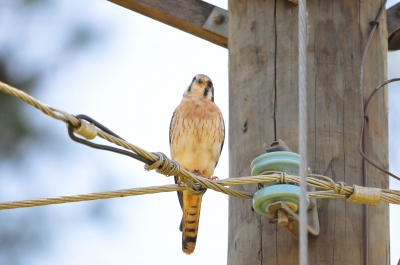
Many raptors are iconic species, instantly recognized and often beloved by us human beings. They are also an important and essential part of the ecosystem in which they live. Here in Massachusetts, specifically on Cape Cod, there is an effort to bring more American kestrels to the area. The region’s population of this bird, the smallest falcon species, has been decreasing in size for some time. While the reason is not known for the declining numbers, there is something that people can do and are doing to attract more birds to the area: nest boxes. Like the volunteers and environmental organization staffers in story linked above, people everywhere can erect nest boxes that will provide the kestrel with a place to call home. Doing so is even encouraged by the Cornell Lab of Ornithology, on their fact page about the American kestrel. On Cape Cod, volunteers will continue to work as monitors, keeping an eye on the birds who may inhabit the nest boxes. All of this work, and the other boxes built by people everywhere, will hopefully help keep this important and beautiful raptor species alive and thriving.


If you’ve enjoyed the stories on this site, download my eBook, Being Where You Are: How Environmental Volunteers Impact Their Community and the Planet Every Day
Amazon

iTunes

Barnes and Noble

BeingFinal

Many Volunteers Working Together

Up a Tree(Photo by Robert Barossi)

by Robert Barossi

As I’ve mentioned many times on this blog, collaboration and cooperation are essential elements to volunteering. People who volunteer don’t just work with the organization they volunteer with, they also often work with other volunteers from other organizations. This article from Clackamas, a suburb of Portland, Oregon, caught my eye because of just how many different organizations are involved. There are at least eight different organizations mentioned in the story, which covers a number of events happening around Portland to restore the area’s watershed during Earth Month (April). At each of the events, different organizations (two or more working together at each event) brought together large groups of volunteers who made a huge impact.

If you’ve enjoyed any of the stories on this blog, check out my eBook, Being Where You Are: How Environmental Volunteers Impact Their Community and the Planet Every Day

Amazon

iTunes

Barnes and Noble

BeingFinal

Volunteers Rebuild Forest Destroyed by Mining

P1000239

(Photo by Robert Barossi)

by Robert Barossi

Mining operations in the United States have the well-known and well-earned reputation of being environmentally devastating. Strip mining and mountaintop removal mining have destroyed vast areas of wilderness. The impacts of those operations, whether in the past or still ongoing, are felt every day by the humans and wildlife who live around the mining sites. This great story out of Kentucky features a group of volunteers who are helping to reclaim the strip-mined land for the forests. They’re doing so one tree at a time, planting seedlings that will grow up and repopulate the area where mining wiped out the majestic forest that once occupied the area. Green Forests Work is the organization leading the effort in the hopes that future generations will be able to enjoy the eastern Kentucky wilderness the way it once was, before modern industry destroyed it. Of course, that effort will not just benefit humans but also benefit the numerous wildlife species who once made, and may still try to make, this bioregion their home.

If you have enjoyed the stories on this site, you can read more in my eBook, Being Where You Are: How Environmental volunteers Impact Their Community and the Planet Every Day.

Amazon

iTunes

Barnes and Noble

BeingFinal

Volunteers Protect a Scottish River

ID-100581(Image courtesy of James Barker at FreeDigitalPhotos.net)

by Robert Barossi

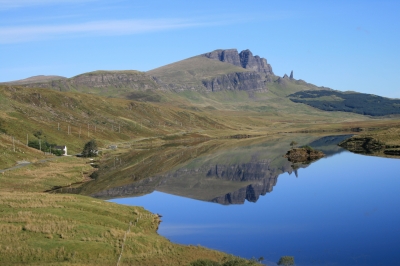
I will freely admit that Scotland is one of my favorite places on the planet. When I spent a month living there during college, during the Edinburgh Fringe Festival, I quickly fell in love with the city of Edinburgh, the country of Scotland and pretty much everything about it. While it was only one day, we did have an opportunity to visit the Highlands, still one of the most beautiful natural landscapes I have ever seen. This morning, I came across this great story out of Galloway, highlighting the efforts of a number of volunteers to preserve and protect the River Cree. a local organization, the River Cree Hatchery and Habitat Trust, has been leading this effort, which the article says has “rejuvenated” the river.  The Trust praises their volunteers, young and old, who have participated in a number of important initiatives, from removing fallen trees to building fences to protect the river’s banks to a number of projects which will assist the fish along their migration routes.


If you have enjoyed the stories on this blog, check out my eBook, Being Where You Are: How Environmental Volunteers Impact Their Community and the Planet Every Day
Amazon

Barnes and Noble

iTunes

BeingFinal

Volunteers Clean Up Texas

big-bend-113099_640(photo by David Mark, courtesy of Pixabay.com)

by Robert Barossi

I don’t often put two different stories in one blog post (maybe I should do that more often), but this morning I came across two great stories which happen to both be from the Lone Star State. The fact that they’re both in Texas is just one important similarity, though. Another is the fact that they both involve college students getting involved in major environmental volunteer efforts. While many volunteers are older, retired citizens, it’s vitally important to get younger people, the volunteers of the future, involved and get them involved at a young age. In Austin, college students are just a fraction of the estimated three thousand volunteers who will participate in It’s My Park Day. The annual event, led by the Austin Parks Foundation, is a city-wide effort to clean up all of Austin’s parks. Ladye Anne Wofford, programs director for the Foundation, says she hopes “students will discover more of Austin’s parks and join our volunteers who work to preserve and improve those parks year-round.” In another great Texas city, San Antonio, student volunteers were involved in a similar major cleanup effort. According to this story out of University of Texas, San Antonio, nearly 100 students were involved in an event designed to clean up the San Antonio watershed. The annual event, called the Basura Bash, was designed to clean local waterways and utilized the efforts of hundreds of community volunteers, including those from multiple environmentally-themed student organizations at UTSA.

If you enjoyed the stories on this blog, check out my eBook, Being Where You Are: How Environmental Volunteers Impact Their Community and the Planet Every Day

Amazon

Barnes and Noble

iTunes

BeingFinal

Volunteers Helping the Owls

P1000364(Photo by Robert Barossi)

by Robert Barossi

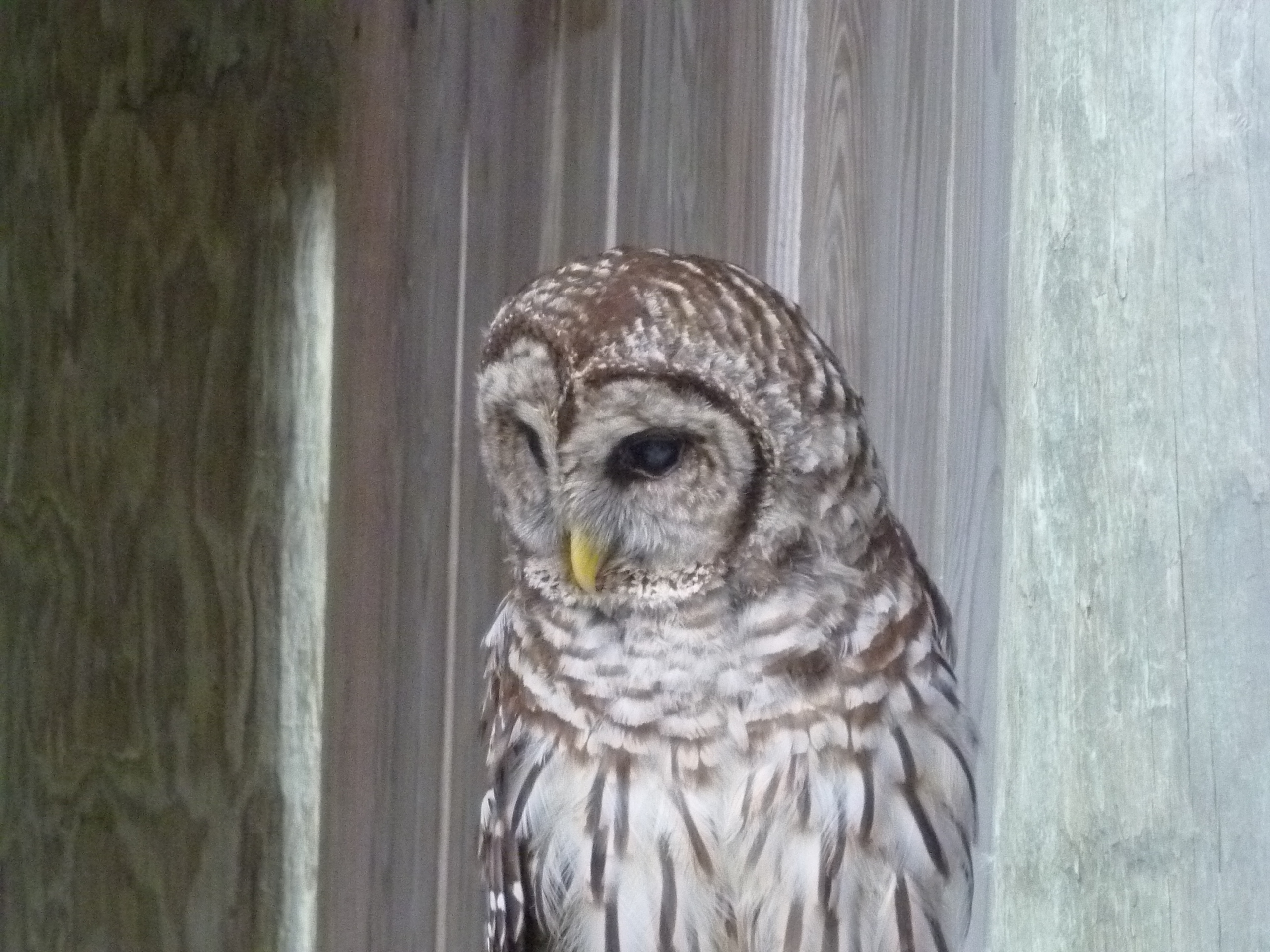
At the end of my previous post, I mentioned how important it is for environmental volunteers to work not just with their own organization, but with other local organizations and agencies. This story from the Sun Sentinel in Florida highlights another important collaboration between various groups, including the South Florida Audubon Society, Cooper City’s Green Advisory Board and students and parents from a local elementary school. This group of dedicated volunteers have been working to assist burrowing owls in finding safer places to live. Their work has created artificial habitats for the owls who have been living underneath sidewalks in less-than-ideal and even dangerous conditions. The effort is an inspiring story of people helping a local wildlife species as well as a great example of volunteers from various organizations working together to achieve a common goal.

If you’ve enjoyed the stories on this blog, check out my eBook, Being Where You Are: How Environmental Volunteers Impact Their Community and the Planet Every Day
Amazon

Barnes and Noble

iTunes

BeingFinal

Volunteers and the Search for Water

P1000656(Photo by Robert Barossi)

by Robert Barossi

A number of stories I’ve posted here have dealt with the severe, historic drought in California. As the state approaches the fourth consecutive summer of drought, water conservation is becoming more difficult and volunteers continue to be a major part of those conservation efforts. For environmental organizations dealing with dwindling water supplies, it’s sometimes volunteers who are heading the relief efforts. In this story out of San Diego, a volunteer is doing just that, playing a major role in finding potential new sources for water. Jim Hughes is a volunteer with Friends of Balboa Park, an organization dedicated to maintaining and preserving that iconic San Diego landmark. In the middle of the park is Casa De Balboa and its that  building which Hughes believes can become a new source of water. Jim’s story highlights some interesting and potentially important ways for water to be collected from the building, so that it might be used to irrigate the surrounding park or gardens. This is also a story that points out how important and beneficial it is for volunteers from one organization to work with other groups, in this case the San Diego Women’s Foundation and students from San Diego State University


If you have enjoyed the stories on my blog, check out my eBook: Being Where You Are: How Environmental Volunteers  Impact Their Community and the Planet Every Day

Amazon

Barnes and Noble

iTunes

BeingFinal


Volunteer Moose Spotters

ID-10051506

(Image courtesy of puttsk at FreeDigitalPhotos.net)

by Robert Barossi

I confess, I love these kinds of stories. As someone who has always had a love for and appreciation of wildlife in all its forms, stories about volunteers working to protect wildlife definitely have a certain appeal to me. From the wales off the coast of Hawaii to birds navigating the Chicago skyline, other species are all around us, sharing every part of this planet with us. It may truthfully be said that it’s their planet and we’re just living on it. Today’s story focuses on moose, who are being monitored and counted by volunteer citizen scientists in Jackson Hole, Wyoming. The “Moose Day” event is held every year and gives area organizations an annual opportunity to gauge how healthy the moose population is. Volunteers, specially trained by Nature Mapping Jackson Hole, spend the day going into areas where professional biologists don’t often go, which allows the volunteers to provide the professional scientists with much-needed data. Led by the Jackson Hole Wildlife Foundation, this important effort, and the equally important role played by volunteers, is a vital tool in keeping track of a majestic animal and an important part of the natural ecosystem.

If you have enjoyed any of the stories on this site, check out my eBook, Being Where You Are: How Environmental Volunteers Impact Their Community and the Planet Every Day

Amazon

Barnes and Noble

iTunes

BeingFinal