Tag Archives: Robert Barossi

Green Teen Volunteers

IMG_0218(Photo by Robert Barossi)

by Robert Barossi

Finally back here at the blog after what I now realize has been two weeks. Time definitely got away from me there, maybe it’s been the beautiful weather and all the opportunities to enjoy the outdoors. Or just the sometimes-crazy busy moments of life.

This great story out of Virginia, about some inspiring teenagers and their amazing environmental work,  seemed appropriate for the moment. It’s that time of year, when there’s a graduation every weekend, it seems. Colleges and universities have most likely already ended their academic years. High schools and lower-grade schools will soon follow suit. Many graduating high school seniors will go on to college to study environmentally-related academic fields. Others won’t go to college and will be working in fields that are directly related to the environment. They are all the environmental volunteers of the future.

Check out more information here on Project Green Teens and all of their work.

If you’ve enjoyed any of the stories on this blog, download my eBook, Being Where You Are: How Environmental Volunteers Impact Their Community and the Planet Every Day

iTunes

Amazon

Kobo

Barnes and Noble

BeingFinal

Volunteers Create Butterfly Habitat

IMG_2141(Photo by Robert Barossi)

by Robert Barossi

In another story about a disappearing species, monarch butterfly populations have been seriously declining in recent years. Due to a number of reasons, many of them human-related, the milkweed plants where monarchs lay their eggs are vanishing from the landscape. As this environmental volunteer story out of New Jersey points out, if there’s no milkweed, there are no monarchs. Thanks to the volunteers in the story, milkweed is being planted in a small area near the New Jersey Botanical Garden. As the event proves, anyone can make their own backyard monarch-friendly by doing the same thing, planting milkweed wherever they are, as long as it’s a place where the plant will grow and thrive. If it does, it will provide an essential place for monarchs to breed, adding another small but important step in the attempts to keep this beautiful butterfly species alive.

For more inspiring stories of dedicated environmental volunteers, download my eBook, Being Where You Are: How Environmental Volunteers Impact Their Community and the Planet Every Day

iTunes

Amazon

Barnes and Noble

Kobo Books

BeingFinal

Volunteers and a Chain of Lakes

Underwater Leaves(Photo by Robert Barossi)

by Robert Barossi

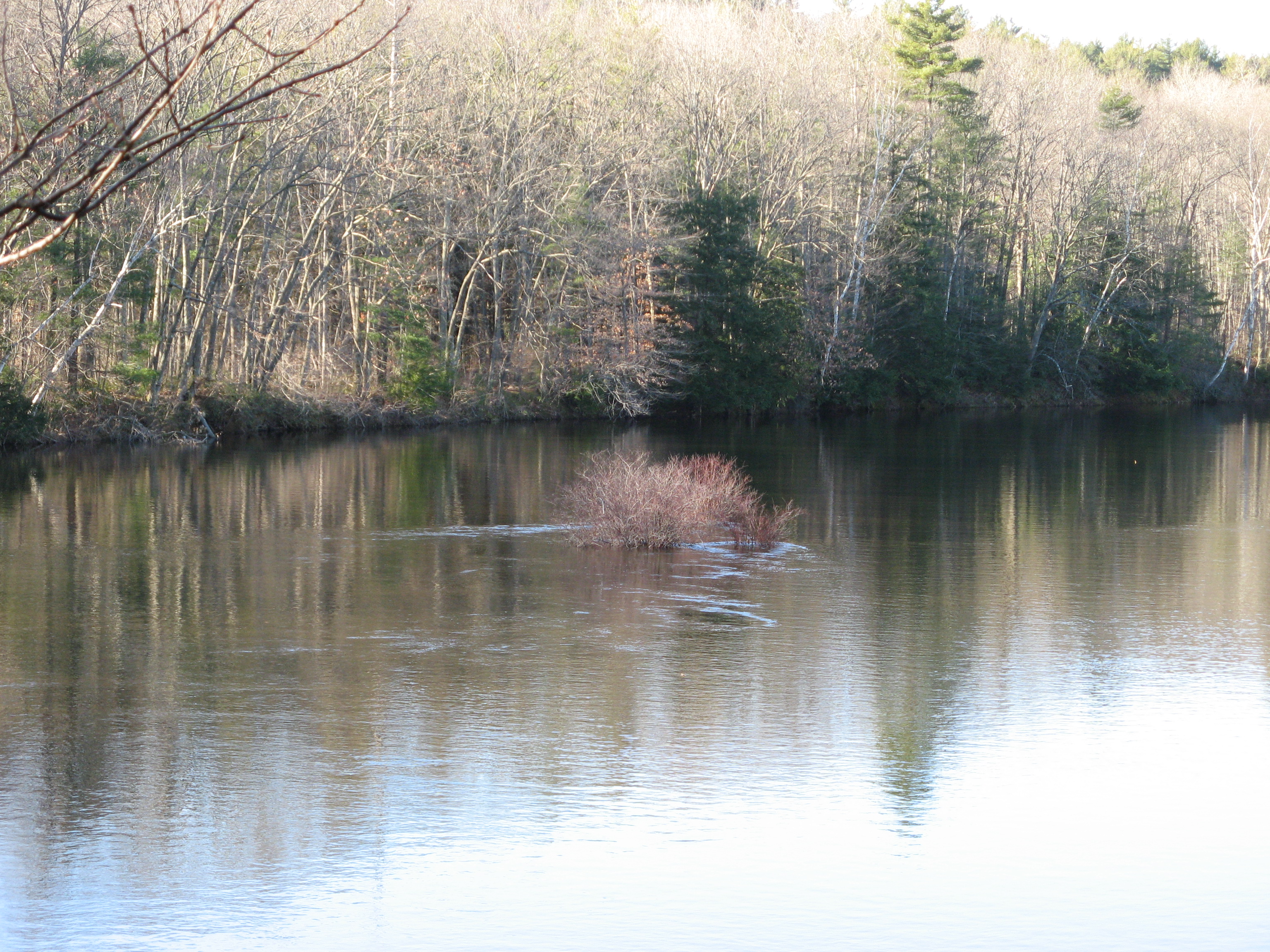
The previous post was a story about a small city and how its residents are trying to maintain green space in their area. Today, a story about keeping nature green in another metropolitan area, this time one of the largest in the country. Near Chicago, just to the northwest, the Chain of Lakes is a series of fifteen interconnected lakes, primarily connected by the Fox River. As this story out of that city describes, environmental volunteers took part in a major cleanup effort, aimed at cleaning and greening the entire waterway. The Fox River Chain O’ Lakes Waterway Cleanup included volunteers working at a number of different locations around the lakes, filling numerous large dumpsters with trash and pulling out of the water everything from hypodermic needles to a kitchen stove. The effort was led by the Fox Waterway Agency, now in its fourteenth year of hosting the annual event.

If you’ve enjoyed the stories on this blog, check out my eBook, Being Where You Are: How Environmental Volunteers Impact Their Community and the Planet

iTunes

Amazon

Kobo Books

Barnes and Noble

BeingFinal

Volunteers Build an Urban Forest

Up a Tree(Photo by Robert Barossi)

by Robert Barossi

Lots of environmental volunteer stories involve heading out into the wilderness, deep into woods and forests, to conduct volunteer work. Just as important, though, are the efforts that take place in our cities. Environmental volunteer work is happening in numerous urban centers, from major metropolitan areas to the smallest of cities. On the gulf coast of Mississippi, in the city of Pascagoula, volunteers have been working to create what they’re hoping will be an urban forest. Work on the one acre plot of land includes removing invasive species and planting native trees, among other projects. They are hoping to make I.G. Levy park even more of a green space and attract more birds and wildlife to the area, as well as more tourists and nature lovers. In industrialized and urbanized places like this, nature is often nearly wiped out. It’s usually up to volunteers to keep these pockets of wild, green spaces, and the nature that thrives there, alive and well.

If you’ve enjoyed the stories on this blog, download my eBook, Being Where You Are: How Environmental Volunteers Impact Their Community and the Planet

iTunes

Amazon

Kobo

Barnes and Noble

BeingFinal

Ocean State Volunteers Clear Tons of Trash

IMG_1383(Photo by Robert Barossi)

by Robert Barossi

There’s an old joke that includes the line, “Rhode Island is neither a road nor an island…” While that may be true, the smallest state does, in fact, have an awful lot of coastline, over 400 miles, according to the state’s government, if you include all the bays, coves and islands close to the coast. That makes for an awful lot of land where ocean debris and trash can wash up on shore. Recently, though, environmental volunteers have been making a huge effort to clean up the state’s beaches and coastal areas. This includes more than three tons of trash cleaned up by volunteers of Save the Bay, one of the state’s most prominent environmental organizations. That’s just one of the amazing efforts mentioned in the article linked above. In each volunteer event, local citizens cleaned up hundreds or thousands of pounds of trash, working together to protect and preserve the natural environment along all those miles of coastline.

If you’ve enjoyed the stories on this blog, download my eBook, Being Where You Are: How Environmental Volunteers Impact Their Community and the Planet Every Day
iTunes

Amazon

Kobo

Barnes and Noble

BeingFinal

Can Volunteers Reduce Roadkill?

Digital Camera(Photo by Robert Barossi)

by Robert Barossi

Not long ago, I posted a story about volunteers helping toads make it across a busy road, in an effort to prevent the toads from being killed during the crossing. This morning, a similar story out of California, where volunteers are helping to create an enormous database of roadkill sites. According to the article, the California Roadkill Observation System is the largest database of its kind in the country. By collecting this data about where roadkill incidents are happening, these citizen scientists are helping both wildlife advocates and highway  planners. With this information, there will hopefully be more attention paid to where and how animals migrate, where the highways are already causing major problems and how future highways and animal crossings can be designed to reduce wildlife deaths.

For more environmental volunteer stories, download my eBook: Being Where You Are: How Environmental Volunteers Impact Their Community and the Planet Every Day

iTunes

Amazon

Barnes and Noble

Kobo

BeingFinal

Volunteers Helping to Predict Tree Diseases

Up a Tree(Photo by Robert Barossi)

by Robert Barossi

This morning, I came across this great environmental volunteer story out of University of California, Berkeley. A study just published in the journal Frontiers in Ecology and the Environment offers more support for the efforts of volunteers as citizen scientists, even concluding, in part, that “using long-term citizen-science data to predict the risk of emerging infectious plant diseases in urban ecosystems holds substantial promise. ” The study reveals just how successful volunteers have been at predicting sudden oak death (SOD), a disease that has killed numerous trees in California. Data from the volunteers was gathered during an event called the SOD Blitz, during which, ““The data we got…resulted in the formulation of the best predictive model yet about the spread of sudden oak death in California. Additionally, we were able to identify new infestations and identify trees that needed to be removed,” according to one of the study’s authors. The SOD Blitzes have become a massive project which take place every year and are, according to UC Berkeley,  “part of the largest citizen science effort in the country.”


For more stories of environmental volunteers, check out my eBook, Being Where You Are: How Environmental Volunteers Impact Their Community and the Planet Every Day
iTunes

Amazon

Barnes and Noble

Kobo

BeingFinal


Volunteers as Oyster Gardeners

ID-100154534(Image courtesy of artur84 at FreeDigitalPhotos.net)

by Robert Barossi

Oysters are not just for making pearls and eating at raw bars. As the National Oceanic and  Atmospheric Administration points out on their page about oyster reefs in Chesapeake Bay, “Oysters are filter feeders, consuming phytoplankton (free-swimming algae) and improving water quality while they filter their food from the water. As generations of oysters settle on top of each other and grow, they form reefs that provide structured habitat for many fish species and crabs.”

These oyster reefs are also highly susceptible to pollution, reduced water quality and increased runoff. These and other factors can lead to the decline of oyster populations and the destruction of oyster reefs. Today’s story, out of Florida, describes how volunteers are helping to bring back oyster reefs which have seriously declined over time. Volunteers in the area have been growing oysters which are part of an oyster reef pilot program. If the program works and the oysters begin to clean the water, more reefs will be created in other locations. As the article mentions, the “oyster gardening” program could have wide-ranging and long-lasting effects, thanks in large part to the dedicated volunteers.

Check out more stories in my eBook:

Being Where You Are: How Environmental Volunteers Impact Their Community and the Planet Every Day

iTunes

Amazon

Barnes and Noble

BeingFinal

Volunteers Build Homes for Bats

 ID-100286742(Image courtesy of satit_srihin at FreeDigitalPhotos.net)

by Robert Barossi

Bats are an often maligned and misunderstood species. They are also an extremely important part of natural ecosystems. Thanks to the Environmental Conservation Outreach Team at the Oregon Zoo in Portland, bats are getting a little help. In fact, according to this story, they are going to be getting a little luxury, as in luxury living spaces. Volunteers are working on “luxurious bat condominiums,” which will provide the bats with a perfectly-suited space for them to live, breed or hibernate, especially when natural sites for doing so are not available. The project takes the age-old bird-box idea to a whole new level, one which will hopefully protect the bats from future population declines.

If you have enjoyed any of the stories  on my blog, check out my eBook: Being Where You Are: How Environmental Volunteers Impact Their Community and the Planet Every Day

iTunes

Amazon

Barnes and Noble

BeingFinal

Volunteer Toad Detour

ID-100609(Image courtesy of James Barker at FreeDigitalPhotos.net)

by Robert Barossi

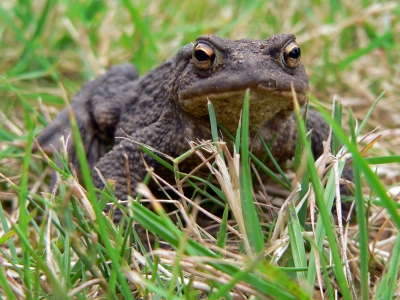
At this time of year, toads, frogs, salamanders and many other species are on the  move. They are leaving their winter homes and heading to nearby spots to spend the spring and summer. In Roxborough, a suburb of Philadelphia, volunteers are working as a sort of crossing guard, watching over a “toad detour” during this important migratory period. Volunteers work during the evening hours, watching for the toads and making sure they make it safely across a heavily traveled road. According to the nearby Schuylkill Center for Environmental Education, the detour has significantly minimized the population decreases caused by street-crossing toads being hit by cars. This work, and the volunteers who are in large part making the work possible, is going a long way to protect and preserve the toads and their essential role in the local ecosystem.

If you have enjoyed the stories on this blog, download my eBook: Being Where You Are: How Environmental Volunteers Impact Their Community and the Planet Every Day

Amazon

iTunes

Barnes and Noble

BeingFinal