Tag Archives: environmental volunteers

Some Very Exciting News

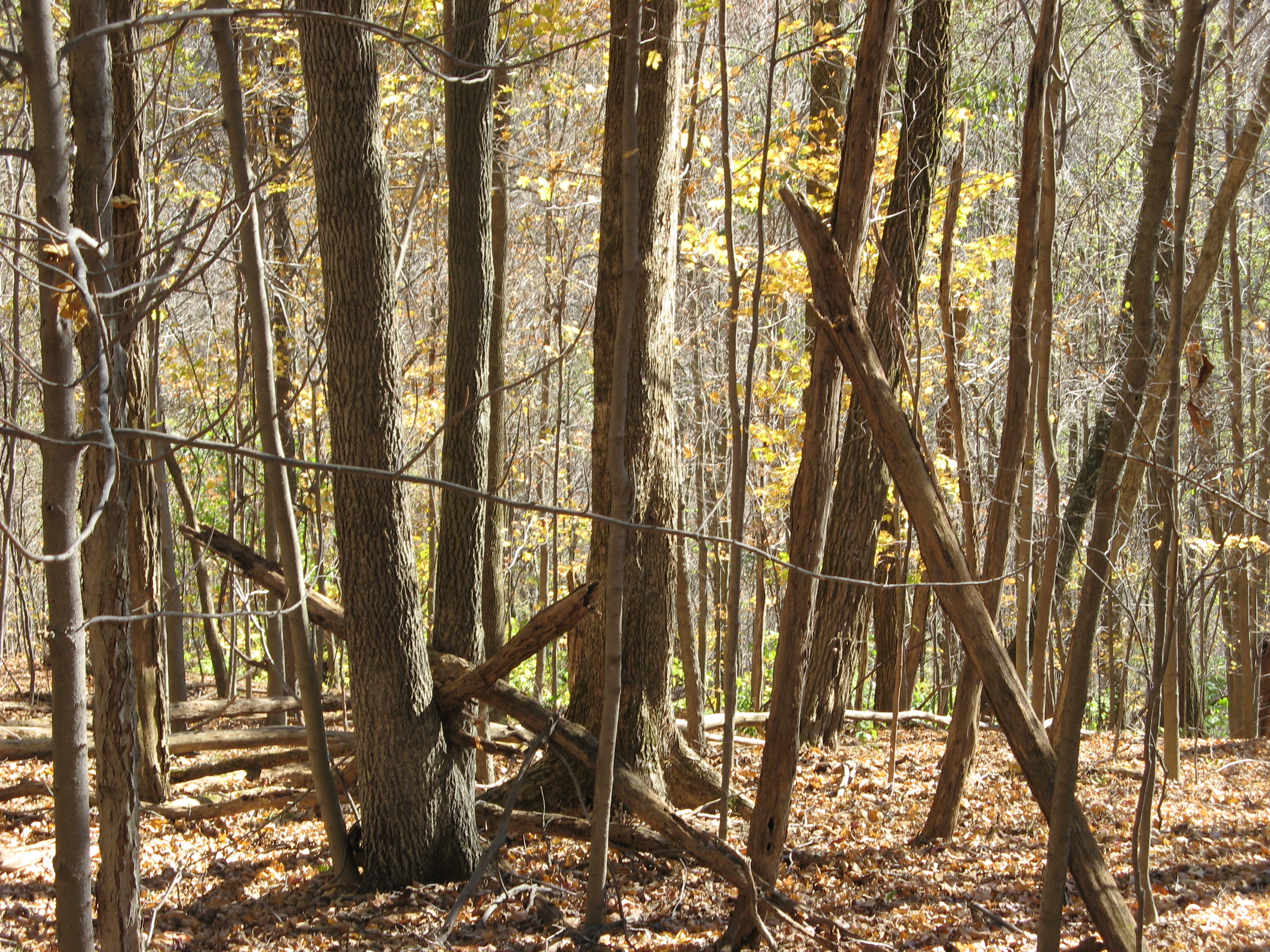
Walk in the Woods(Photo by Robert Barossi)

by Robert Barossi

Now that the holiday season is over, It’s definitely time to get back to blogging here on a more regular basis. But, first, I wanted to share some great news. This blog was always meant to be a companion to the book that I wrote about environmental volunteers, a book that shares its name with this blog. That book started as my thesis project for my Master’s Degree program at Green Mountain College. Now, after three years of work, my eBook is available to purchase on Amazon, Barnes & Noble and Kobo. It will be available at other, smaller, niche sites as well, but it’s in three of the big four right now (iBook is also hopefully coming soon). While it’s true that in this day and age, it seems like everyone is publishing and self-publishing books and eBooks, the amazing feeling of this moment is not diminished. This is easily one of the best moments of my life and one of the biggest achievements of my life. If you’ve read any of the stories here  on this blog, I hope you’ll consider buying my eBook (a printed version is planned and hopefully coming soon). In it you will find many more great stories of environmental volunteers, told in their own words. Writing it was some of the most rewarding work I’ve ever done and I look forward to sharing it with many of you.

You can download it at:

Amazon

Barnes & Noble

and Kobo

It is also available through Apple, in the iTunes store, the iBooks section.
Year’s End and Another Great Volunteer Story

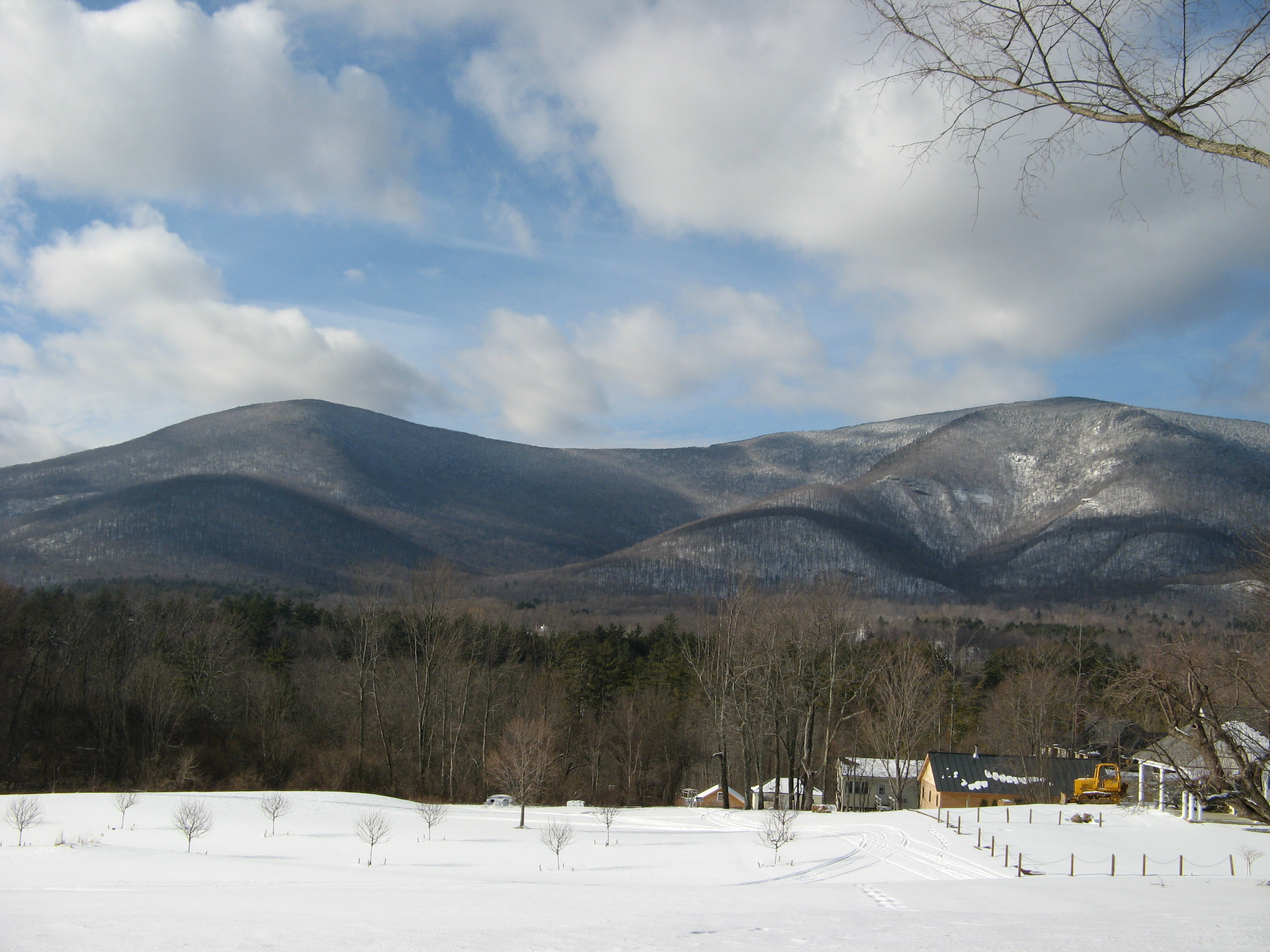
IMG_0504(photo by Robert Barossi)

by Robert Barossi

Looking back, it’s hard to believe that it’s been over a year since I started this blog. In October of 2013, I published my first post, a bit of an introduction to the blog and what I hoped it would achieve. Since then, it has achieved everything that I hoped it would and more. My sincere appreciation and gratitude goes out to everyone who has visited this blog, read a post, favorited or commented on a post, or shared a post on social media sites like Twitter and Facebook. My goal was to spread the word about environmental volunteers and we have all done that, everyone of us who has read this blog. If one single person has read a post on this blog and then gone out and volunteered in their own community, then this blog has done exactly what I intended. If this blog has inspired one person to volunteer for our planet and it’s  preservation or protection, then all this work has been worth it. Of course, the work isn’t done. I am going into 2015 just as dedicated to this blog and book about environmental volunteers as ever. The eBook publishing process is well on its way and hopefully Being Where You Are will soon be available to download and read. I invite you to also go back an read previous posts and check out all of the inspiring stories that have been included here. They are all pretty amazing and every volunteer involved deserves our thanks and appreciation.

I’m also going into 2015 with a renewed interest in posting fascinating and unique environmental volunteer stories on this blog. There will, of course, be more stories of river cleanups and trail maintenance and water quality monitoring, all of the tasks that volunteers perform every day, in numerous places. I will also endeavor to find more stories that may be a little outside of the box, in terms of volunteers impacting our natural environment. One example is this great story about the Iowa City Bike Library, and the volunteers who work there. I love the concept of a bike library, where people can rent or borrow bikes, eventually giving up their rental deposit and taking ownership of the bike if they want. It helps to encourage people to ride bikes, rather than driving cars, and it keeps old bikes out of landfills for a while longer. Both of those can and will be beneficial for the local natural environment. While these volunteers may not be doing down-and-dirty work, deep in the wilderness, their work is absolutely having a positive environmental impact.

Check out the Bike Library’s blog to read more about what they do and similar community bike programs in the area.

Birds in the City

ID-100224232(Photo by porbital, courtesy of FreeDigitalPhotos.net)

by Robert Barossi

To say that humans have completely changed the natural landscape of this planet might be the most obvious statement ever made. In every corner of the globe, in a million different ways, humans have irrevocably altered the habitats of numerous animal species. One of the most devastating changes, in terms of wildlife and their survival, has been the rise of massive cities and metropolitan areas. These urban landscapes have created an entirely new universe for animals to deal with and survive in. In one major metropolitan area, the city of Chicago, there is a group of volunteers doing everything they can to help some of our animal kingdom neighbors.

Dedicated members of the all-volunteer Chicago Bird Collision Monitors are on the streets of Chicago every day, looking for injured birds. According to their website, “Our teams spend the early morning hours recovering these birds to save the injured and document the fatalities that have occurred.” CBCM’s inspiring work provides help to many of the birds who are simply living their natural life in the confusing and dangerous world of the city skyline. The group also provides invaluable information to other people who are interested in helping our feathered friends.

Running Down a Dream

IMG_0852_1

(Photo by Robert Barossi)

by Robert Barossi

Trail maintenance is one of the most common tasks practiced by environmental volunteers. Everywhere there are trails through the wilderness, there is likely an environmental organization or community organization that maintains those trails. And most of that work is likely performed by volunteers, who go out and cut down branches, remove fallen trees, fix water bars and keep the trail safe and accessible. Volunteers get involved in this kind of work for many reasons. For example, one volunteer I met was a passionate bike rider. He loved to ride through the wilderness and was part of a mountain biking group that did a lot of trail maintenance. He had even taken some classes to become a “Trail Boss.” He was passionate about wanting to make sure that the public had access to those trails and wanting the public to know that mountain bikers were out there protecting the trails, and nature, not destroying them.

In this story out of Washington state, there’s a similar group trying to rebuild an historic wilderness trail. Daniel Probst is leading the effort to rebuild and restore a trail that was once part of a famous race, the Mount Baker Marathon. The route has become treacherous for runners still trying to make the journey, or anyone else attempting to simply enjoy the path through the woods. Along with the forest service and volunteers from the Washington Trails Association and Cascade Mountain Runners, the effort is on to clear the trail. The hope is that some time soon, the trail will be able to once again host an ultra-marathon as well as hikers wanting to enjoy the natural beauty of the area.

A Holiday Volunteer Tradition

ID-100134733(Photo by Tina Phillips, Courtesy of FreeDigitalPhotos.net)

Every holiday season, thousands of volunteers take part in a massive citizen science project, the Audubon Christmas Bird Count. This event, which helps Audubon to track the health of bird populations, is now in its 115th year. Again this year, starting on December 14, tens of thousands of volunteers, in thousands of locations, will explore their local areas, searching for as many birds as they can find and catalog. The invaluable resource created by all the data will be used to inform decisions, policies and research all over the country. It is a yearly tradition for many people, families and organizations, and an undeniably impressive and inspiring environmental volunteer effort.

Here is the official site for the Audubon Christmas Bird Count.

And more local stories about the Bird Count, in places as different as Montana, New Mexico, Wisconsin and the San Juan Islands

Volunteers Lead the Fight Against Invaders

Rocks in Still Water(Photo by Robert Barossi)

by Robert Barossi

The “invaders” are invasive species and they are becoming more and more widespread all the time. Climate change is not helping matters, pushing and changing the boundaries of where species can live and thrive. This story out of Rhode Island details a number of ways that volunteers in southern New England are taking part in the struggle to hold back or eliminate invasive species. As the title suggests, it often takes “patience and creativity,” two of the many attributes volunteers bring to the ongoing efforts to deal with a problem that can seem insurmountable.

Well Deserved Recognition for Volunteers

Through the Trees(Photo by Robert Barossi)

by Robert Barossi

Not sure what it is about this time of year, but stories of environmental volunteer recognition are everywhere. It’s great to see so many volunteers being awarded and honored, in so many different places for many different kinds of volunteer work. They don’t typically do it for the recognition, which is part of what makes volunteers inspiring, but they absolutely deserve it. So, here are just a few of the ones I’ve come across today:

This story out of Indiana County, just outside of Pittsburgh, features two environmental volunteers who also happen to be senior citizens. Many volunteers are seniors and retirees, and these two have demonstrated an amazing dedication and passion over a number of years of service.

I had never heard of Disney Conservation Heroes until reading this story. The Disney Conservation Hero Award is given to volunteers for their “tireless efforts to save wildlife, protect habitats, and educate communities,” according to this story out of New Jersey. This article focuses on three of the nineteen people who won the award, a trio of volunteers who work with The Wetlands Institute.

In the city of Bristol, in England, a number of people were recognized through the Green Volunteer Awards. Awards included the Green Voluntary Leader of the Year and an award given to Young Green Volunteers.

Finally, in Maui, five volunteers were awarded for their efforts to preserve the environmental health of Maui County. The inspiring citizens have been actively involved in a number of ways, from picking up trash and litter to educating the public about better anti-litter behavior.

Environmental Volunteers on Campus

IMG_1108(Photo by Robert Barossi)

by Robert Barossi

Many of tomorrow’s environmental leaders, thinkers and volunteers are today’s college students. At colleges and universities around the world, young people are getting together and getting involved. At the recent climate change march in New York City, the “Student Section” of the assembled crowd was enormous and very vocal. Many colleges have begun to implement or increase environmental stewardship programs on their campuses. And student groups are getting involved on campus and, perhaps more importantly, in their surrounding communities. At Northwestern University, the Associated Student Government’s Sustainability Committee recently held its first-ever Environmental Day of Service. A number of campus groups were invited or involved, including fraternities and sororities. While students did participate in activities to clean up their campus, they got out into the surrounding area, taking part in tasks such as removing invasive species.

For more information about colleges that are very environmentally friendly and at the forefront of campus sustainability, The Princeton Review has a Green Honor Roll that lists 24 schools. Every year, the Sierra Club puts out a list of America’s Greenest Colleges, here is there most recent list. (Proud to say that mine is on both of those lists) There’s also this list of 50 affordable eco-friendly colleges. And this one that breaks it down into greenest college by state.

Teaching Kids About Gardens and More

IMG_2597(Photo by Robert Barossi)

by Robert Barossi

One of the most important roles an environmental volunteer can take on is that of educator. At numerous sites, volunteers make up the staff of educators at nature centers, discovery centers, aquariums and other places where the public visit. Volunteers are the ones teaching children and adults about everything from birds of prey to local marine life to native plants. As this story from Texas tells us, volunteers are providing invaluable education about gardens, pollinators and horticulture to children in San Antonio, including those who live in urban areas. These kids, many of whom might not otherwise get close exposure to gardens and plants, are being given a chance to connect with nature in direct, hands-on ways. Programs like Youth Gardens and Kids, Kows and More,  as well as events like the BOOTanical Halloween event, are  staffed and supported by a number of volunteers. These dedicated people are providing an incredible opportunity for kids to learn about and connect with their natural world, even though they live in a major metropolitan area.

Up In the Air

Through the Trees(Photo by Robert Barossi)

by Robert Barossi

As noted in this article from Grist.org, citizen science in some form or another, has been around for a long time. The Audubon Christmas Bird Count is cited as just one example, and that’s been happening for a century. But, as this fascinating story describes, there is at least one kind of citizen science that may have a potentially huge impact: air quality testing. Water quality testing by volunteers has also been around for a quite a while. There are numerous stories of volunteers, all over the world, testing the quality of their local waterways. The volunteers in this story, though, are testing the quality of the air we all breathe. In some places, this is the first regular air quality monitoring that has ever happened. In other places, testing the quality of the air has become more and more important, as fracking and drilling sites have multiplied. There are some interesting points of view offered in the story regarding citizen science, it’s importance, potential and even controversy.