Tag Archives: citizen science

Volunteers Helping to Predict Tree Diseases

Up a Tree(Photo by Robert Barossi)

by Robert Barossi

This morning, I came across this great environmental volunteer story out of University of California, Berkeley. A study just published in the journal Frontiers in Ecology and the Environment offers more support for the efforts of volunteers as citizen scientists, even concluding, in part, that “using long-term citizen-science data to predict the risk of emerging infectious plant diseases in urban ecosystems holds substantial promise. ” The study reveals just how successful volunteers have been at predicting sudden oak death (SOD), a disease that has killed numerous trees in California. Data from the volunteers was gathered during an event called the SOD Blitz, during which, ““The data we got…resulted in the formulation of the best predictive model yet about the spread of sudden oak death in California. Additionally, we were able to identify new infestations and identify trees that needed to be removed,” according to one of the study’s authors. The SOD Blitzes have become a massive project which take place every year and are, according to UC Berkeley,  “part of the largest citizen science effort in the country.”


For more stories of environmental volunteers, check out my eBook, Being Where You Are: How Environmental Volunteers Impact Their Community and the Planet Every Day

iTunes

Amazon

Barnes and Noble

Kobo

BeingFinal


Volunteering for Wildlife

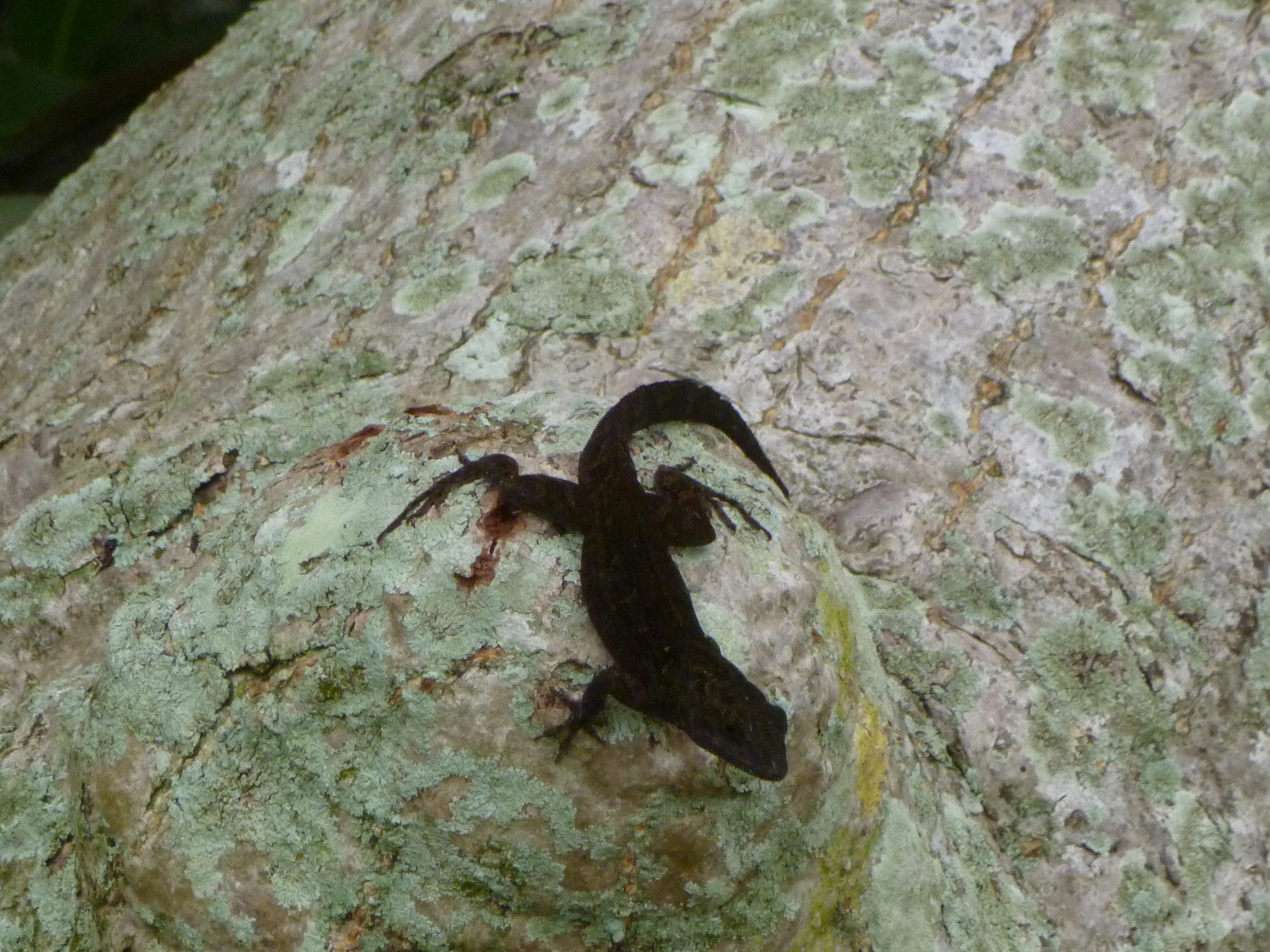
Lizard1(Photo by Robert Barossi)

by Robert Barossi

Another two-story post this morning. Not sure why, but these kinds of stories are everywhere today: citizen science stories. As one of these articles mentions, volunteers are doing the work that professional scientists just aren’t able to. That is, there just aren’t enough scientists in enough places with enough time and money to collect all of this vital data. As this story out of Iowa points out, it’s citizen scientists who are out there, across that state, collecting data on numerous species. The Department of Natural Resources in Iowa is planning to start training more volunteers to be wildlife monitors because the need is so great. One thousand miles to the East, in Delaware, citizen scientists are being trained for similar programs across that state. This article refers to these volunteers as the “backbone” of programs which gather essential data on many species. That state’s Department of Natural Resources and Environmental Control is also seeking more volunteers, needed to monitor species ranging from the horseshoe crab to the osprey, and many in between.


If you’ve enjoyed any of the stories on this blog, check out my eBook, Being Where You  Are: How Environmental Volunteers Impact Their Community and the Planet Every Day

Amazon

Barnes and Noble

iTunes

BeingFinal

Volunteer Moose Spotters

ID-10051506

(Image courtesy of puttsk at FreeDigitalPhotos.net)

by Robert Barossi

I confess, I love these kinds of stories. As someone who has always had a love for and appreciation of wildlife in all its forms, stories about volunteers working to protect wildlife definitely have a certain appeal to me. From the wales off the coast of Hawaii to birds navigating the Chicago skyline, other species are all around us, sharing every part of this planet with us. It may truthfully be said that it’s their planet and we’re just living on it. Today’s story focuses on moose, who are being monitored and counted by volunteer citizen scientists in Jackson Hole, Wyoming. The “Moose Day” event is held every year and gives area organizations an annual opportunity to gauge how healthy the moose population is. Volunteers, specially trained by Nature Mapping Jackson Hole, spend the day going into areas where professional biologists don’t often go, which allows the volunteers to provide the professional scientists with much-needed data. Led by the Jackson Hole Wildlife Foundation, this important effort, and the equally important role played by volunteers, is a vital tool in keeping track of a majestic animal and an important part of the natural ecosystem.

If you have enjoyed any of the stories on this site, check out my eBook, Being Where You Are: How Environmental Volunteers Impact Their Community and the Planet Every Day
Amazon

Barnes and Noble

iTunes

BeingFinal

Volunteer Trackers

IMG_0463(by Robert Barossi)

by Robert Barossi

When interviewing environmental volunteers, I met a volunteer wildlife tracker. She told me about how groups of volunteers would go out in the winter and search for animal tracks, in an effort to gather data about which animals were in a given area. It’s yet another way that volunteers can help to collect information that is vital for conservationists as well as the general public, potential developers, government officials and others. In Minnesota, Jonathan Poppele wants to train volunteers to do this kind of work across the state, specifically aiming to collect data on wolves. The story mentions a similar program that has been successful in collecting important information about wolves in Wisconsin. Programs like these, across the country, are yet another citizen science opportunity for volunteers to get involved and make a difference in wildlife conservation.

More information here on the Minnesota Wildlife Tracking Project.

Up In the Air

Through the Trees(Photo by Robert Barossi)

by Robert Barossi

As noted in this article from Grist.org, citizen science in some form or another, has been around for a long time. The Audubon Christmas Bird Count is cited as just one example, and that’s been happening for a century. But, as this fascinating story describes, there is at least one kind of citizen science that may have a potentially huge impact: air quality testing. Water quality testing by volunteers has also been around for a quite a while. There are numerous stories of volunteers, all over the world, testing the quality of their local waterways. The volunteers in this story, though, are testing the quality of the air we all breathe. In some places, this is the first regular air quality monitoring that has ever happened. In other places, testing the quality of the air has become more and more important, as fracking and drilling sites have multiplied. There are some interesting points of view offered in the story regarding citizen science, it’s importance, potential and even controversy.

The Increasing Importance of Citizen Scientists

IMG_1538(Photo by Robert Barossi)

By Robert Barossi

A number of stories on this blog have mentioned the work of citizen scientists. These everyday citizens, not scientists by trade or profession, are doing invaluable and essential work. They are collecting and gathering data which is necessary in dealing with the environmental problems of our time. Or, as this article says it, they are “key to keeping pace with environmental change.” As mentioned in the story, we may be at a point where the amount of data we need to be collecting and following far outweighs our ability to keep up with it. There are so many changes happening, so frequently and in so many places, that citizen scientists are only going to become more and more important as we struggle to keep up with what’s happening around us.

Volunteer Scientists

P1000068(Photo by Robert Barossi)

by Robert Barossi

As we’ve seen in all of the volunteer stories  discussed here, volunteers provide  an immense amount of data to environmental organizations, professionals and scientists. According to this recent study, volunteers are due a little more credit than they currently get. The study describes volunteer efforts as often “invisible,” as the work of citizen scientists typically goes unmentioned in scientific papers and journals. The study’s lead author, Caren Cooper of the Cornell Lab of Ornithology, makes a great point that people often don’t volunteer because they don’t think they have the expertise or qualifications to do so. If citizen scientists were mentioned, credited, or even applauded in scientific papers and journals, people may be more likely to see that they can, in fact, contribute in important ways. Even something that people think of as only a hobby, Cooper notes , can contribute greatly to scientific work, through citizen science and volunteering.

Becoming a Volunteer Oceanographer

P1000689(Photo by Robert Barossi)

By Robert Barossi

For a while, when I was in high school, I dreamed of becoming a marine biologist or oceanographer. Always fascinated by the ocean, it’s species and ecosystems, I imagined myself out on a boat in the middle of a great blue expanse of water, studying and learning about the seas that cover our planet. For one reason or another, I ended up not  following that career path. My love for and fascination with the oceans never diminished, though, and now it looks like I could still get a chance to do some oceanography, as a volunteer. More accurately, I would be a citizen scientist, like the volunteers mentioned in this story, who are helping oceanographers study far-flung areas of the oceans. As the article mentions, the oceans are so vast, it’s nearly impossible for all areas to be studied and tested accurately, in a timely manner. So, citizen scientists, those who have boats of their own, are being given the chance to study the ocean and provide the professionals with the data they collect. These volunteer sailors will be provided with the proper equipment so that data can be collected, perhaps from previously unexamined regions of the ocean, filling in gaps in the currently available information. So, I might still have a chance to do some oceanographic work after all…I just need to figure out how to afford  to buy a boat.

Volunteers Help Our Friends in the Wild

IMG_2141(Photo by Robert Barossi)

While many of the stories posted thus far have dealt with volunteers working to preserve rivers, parks and natural landscapes, volunteers also work to help out friends in the animal kingdom. From banding birds to help track migrations to assisting in wildlife rehabilitation, environmental volunteers are working tirelessly for many non-human species every day. Here are a just a few recent examples:

In South Texas, the Friends of Laguna Atascosa National Wildlife Refuge recently won an award from the U.S. Fish and Wildlife Service. The 2013 Southwest Region Friends of the Year Award was given in recognition of the Friends’ conservation efforts, especially those efforts aimed at protecting the ocelot, an endangered species of wild cat.

Far to the north, in Western Pennsylvania, volunteers are helping out another type of animal species: frogs. Volunteers are currently being trained to listen for and identify frog calls from the area’s thirteen species of native frogs. This is part of a nationwide citizen science effort aimed at collecting data for the Association of Zoos and Aquariums and their FrogWatch USA program. Collected data will help agencies to monitor amphibian populations, which can provide important data related to an area’s ecological and environmental health.

While those volunteers were listening for frog calls, volunteers in San Francisco have been counting an even smaller species, monarch butterflies. Monarch populations have been decreasing for a number of years but butterfly counts on the west coast, often performed by volunteers, recently indicated a slight reversal in the trend as populations actually increased slightly. As this article from Bay Nature describes, volunteers in San Fransicso and across the state are essential in making events like the Western Monarch Thanksgiving Count a success year after year.