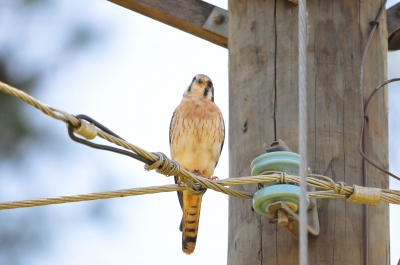
(photo by Gualberto107, courtesy of FreeDigitalPhotos.net)
by Robert Barossi
Many raptors are iconic species, instantly recognized and often beloved by us human beings. They are also an important and essential part of the ecosystem in which they live. Here in Massachusetts, specifically on Cape Cod, there is an effort to bring more American kestrels to the area. The region’s population of this bird, the smallest falcon species, has been decreasing in size for some time. While the reason is not known for the declining numbers, there is something that people can do and are doing to attract more birds to the area: nest boxes. Like the volunteers and environmental organization staffers in story linked above, people everywhere can erect nest boxes that will provide the kestrel with a place to call home. Doing so is even encouraged by the Cornell Lab of Ornithology, on their fact page about the American kestrel. On Cape Cod, volunteers will continue to work as monitors, keeping an eye on the birds who may inhabit the nest boxes. All of this work, and the other boxes built by people everywhere, will hopefully help keep this important and beautiful raptor species alive and thriving.
If you’ve enjoyed the stories on this site, download my eBook, Being Where You Are: How Environmental Volunteers Impact Their Community and the Planet Every Day

 Being Where You Are