Category Archives: Uncategorized

Helping Wildlife in Australia

IMG_1860(Photo by Robert Barossi)

by Robert Barossi

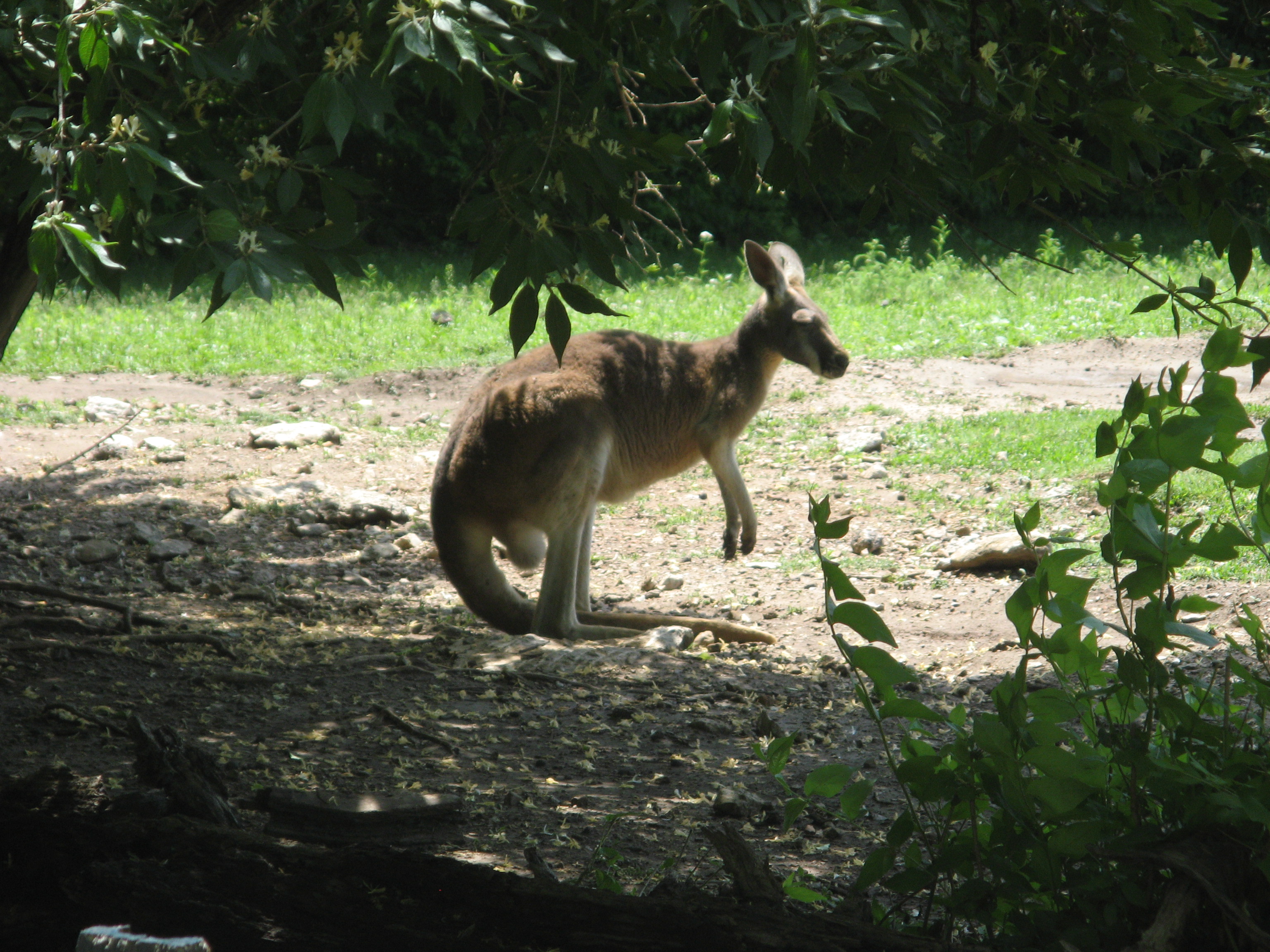
When it comes to wildlife, it’s their planet and we’re just living on it. No matter where humans live, they are going to come into contact with all types of wildlife. Where I live in Massachusetts, there are constant stories about deer, coyotes and bears, often found roaming the suburbs. There are also numerous stories of deer being hit by cars and either wounded or killed. That sort of dangerous and deadly contact with wildlife happens everywhere and it is often volunteers who help to nurse or rehabilitate the wounded animals. This article from Australia describes the massive number of animals who are killed in accidents with motorists. It also mentions volunteers who help to rescue and rehabilitate the animals, including kangaroos, wallabies, possums and many other species.

More information here bout the Wildlife Information Rescue and Education Service, which leads much of the effort.

Appreciating and Honoring Volunteers

436(Photo by Robert Barossi)

by Robert Barossi

I feel pretty confident in saying that not one of the volunteers I interviewed for my book ever did anything for any kind of public recognition, attention or reward. Volunteers do what they do for a myriad of reasons but it’s almost never for the recognition, even though they often deserve it. Most, if not all, organizations do recognize and reward or thank their volunteers, often with an annual event or ceremony of some kind. This story from Delaware’s Cape Region, found on CapeGazette.com, describes on such event. According to the article, “Wetland Warrior Award, now in its seventh year, is presented annually to a citizen, organization, or business that has demonstrated exemplary efforts to benefit Delaware wetlands in the areas of outreach and education, monitoring and assessment, or restoration and protection.” From the sound of it, this years recipients truly deserved the recognition.

Keepers of the Lake

IMG_0203(Photo by Robert Barossi)

by Robert Barossi

While interviewing volunteers for my book, I came across many who worked as volunteer water quality monitors. They often impressed me with their stories of going to a spot along a river, repeatedly throughout the year, in any weather, to take samples of the water. Water sampling is an essential practice so that scientists can study and examine the water for pollutants, bacteria, pH levels, dissolved oxygen and other factors. This story out of Idaho, from the Bonner County Daily Bee, describes the water monitoring work of volunteers along Lake Pend Oreille, Idaho’s largest lake and one of the deepest in the U.S. Whether it’s in suburban Massachusetts, where I met volunteers, or in rural Idaho, the water monitoring work is very similar and the gathered data is equally important.

More information about the Lake Pend Oreille Waterkeeper, the organization behind the water quality monitoring.

Volunteers Helping Trees Worldwide

Up a Tree(Photo by Robert Barossi)

By Robert Barossi

This morning, I came across this quote online: “Trees are the earth’s endless effort to speak to the listening heaven.” That got me to thinking about how much volunteers help to care for trees in their local communities.  In Joplin, Missouri, volunteers are helping to water trees in the city, according to this article from FourstatesHomepage.com.   On the other side of the globe, in India, this story from The Times of India about volunteers removing nails that were left in trees when advertisement signs were hung there and them removed. And in Australia, volunteers in this story from Port Macquarie News helped to plant trees during Port Macquarie Landcare’s National Tree Day celebration.

More information about the Joplin initiative is here. And the Port Macquarie Landcare Group has a webiste, linked here.


Fighting Invasives in Canada

Through the Trees(Photo by Robert Barossi)

By Robert Barossi

Invasive species can be more than just a nuisance. They can seriously impact the ecosystem they invade, and those impacts are often, if not usually, negative. They can be detrimental to many other species in the area, including robbing those species of food or other resources. This story focuses on the Clifford E. Lee Nature Sanctuary, not far from the city of Edmonton. Volunteers have been an essential part of the process which has greatly reduced the amount of creeping thistle in the area. One of the story’s many great aspects is the mention of the “invasive species appetizers” volunteers were served, along with recipes to take home with them. Dandelion pesto, anyone?

The Sanctuary’s website is here and here is a link to Nature Conservancy of Canada, which recently hosted the invasive species removal event for the ninth time.

Clearing the Path for Salmon

IMG_2325(Photo by Robert Barossi)

by Robert Barossi

Environmental volunteers work to help ecosystems, natural environments and species of all kinds in many ways. They have an impact on wildlife ranging from insects and amphibians to birds and bears. All of the world, they are doing work that impacts the life that fills our oceans, rivers, streams, lakes and every other body of water. This story from the Auburn Journal details how volunteers are working to help the salmon population. These dedicated citizens are giving their time, effort and energy to help improve more than 30 miles of waterway so that salmon can once again thrive in the area.

The group leading the effort is Save Auburn Ravine Salmon and Steelhead, please check them out.

Sharing the Beach

394(Photo by Robert Barossi)

by Robert Barossi

Now that we’re firmly in the middle of summer, it’s definitely beach season. And it’s likely that hundreds of beaches along the east and west coasts are jam packed with millions of people, spending the days lounging in the sun and swimming in the surf. One thing to remember, though, is that many other species also utilize the coastline and that ecosystem. Many creatures share the beach with us, being born and spending much or all of their lives there. This great story out of Alabama, from Gulf Coast News Today, talks about how volunteers are keeping the beach safe for sea turtles along the Gulf. Volunteers walk the beach, looking for and protecting places where turtle nests are located. It’s an important job that goes a long way towards protecting the local population of turtles and ensuring that they can reproduce safely.

Check out the website for the organization leading the effort, appropriately called Share the Beach.

Growing Gardens

IMG_1386(Photo by Robert Barossi)

by Robert Barossi

Public green spaces have become an increasingly important consideration in urban and suburban development. Citizens have demanded these kinds of spaces as planners, governments and nonprofit organizations have put more emphasis on their inclusion in any kind of new development. These green spaces often take the form of gardens, from colorful floral arrangements to desert-like xeriscapes. This article from The Pueblo Chieftan, out of Pueblo, Colorado, discusses how it often falls upon volunteers to maintain publicly held gardens. Volunteers are often the ones giving their time, energy and enthusiasm to maintain green spaces, for the benefit of the entire community.

Volunteers Helping to Save a Valley

Through the TreesPhoto by Robert Barossi

by Robert Barossi

There are numerous ways that volunteers can get involved to help preserve and protect nature and the environment. One motivating factor for many to get involved is planned development, whether residential or commercial. Oftentimes, the development plans spark passionate emotions about the preservation of the land and the need to stop whatever developers are planning. This article from Delaware County News Network tells the story of one such effort, started by two organizations, The Beaver Valley Conservancy and Save the Valley. These groups are fighting to stop development in an area known as Beaver Valley, along the Pennsylvania/Delaware border, and volunteers are playing an important role.

Check out the websites for

Save the Valley

and

Beaver Valley Conservancy

For more information about how their efforts to protect the land are going and  how you can help, especially if you live in that area.

Crowdsourcing for Invasive Species

ID-1005975Photo by Liz Noffsinger, Courtesy of FreeDigitalPhotos.net

By Robert Barossi

This is one of the most exciting and fascinating volunteer stories I’ve come across recently. I had never even heard of eco-crowdsourcing until now, but in this day and age, modern technology being what it is, it makes perfect sense. As this story details, there is a project underway in Hawaii that allows volunteers to use an online crowdsourcing platform to pinpoint invasive species. By pouring over images taken from above, these volunteers are able to tag locations where invasive species are occurring, which gives organizations like The Nature Conservancy an exact location to focus their efforts. The work of these volunteers amounts to “20% of the users do 80% of the work, spending hours on the platform, scouring images for the invasive plants,” according to the article. There is exciting potential in this kind of crowdsourcing, from mapping invasive species to helping protect endangered species, and it’s clear evidence that not only can today’s technology help achieve environmental goals, it can and must be an essential and integral aspect of achieving those goals.

The page specifically for the initiative in Hawaii, called “The Hawaii Challenge,” can be found here, at Tomnod