Category Archives: environmental volunteers

Volunteers are Cleaning Up

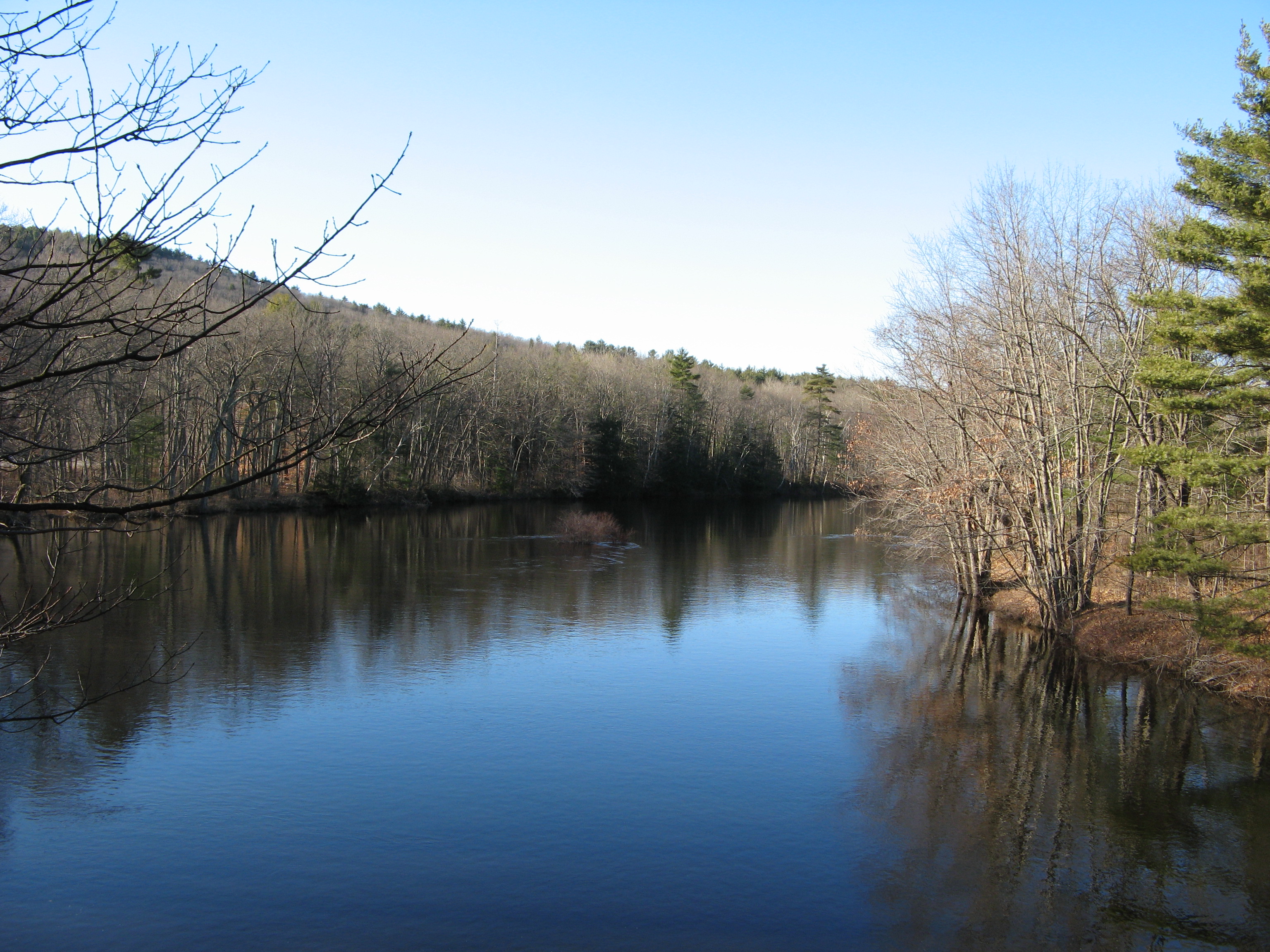
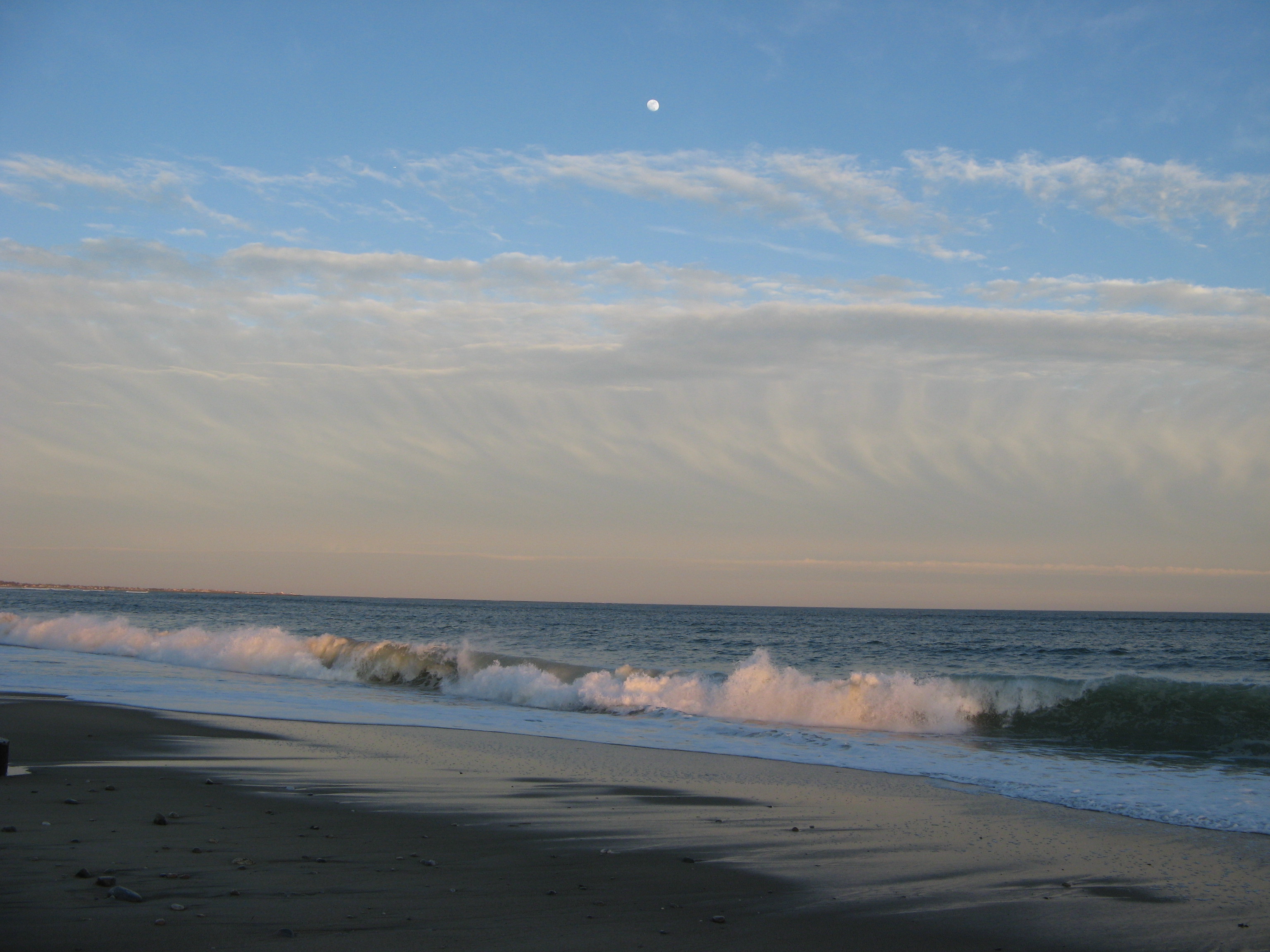
IMG_0685(Photo by Robert Barossi)

by Robert Barossi

Whenever searching for volunteer stories around the internet, there’s never a lack of cleanup stories. Volunteers are constantly proving their dedication, passion and enthusiasm for the local environment by cleaning up rivers, lakes, ponds, beaches and ocean shores. Three recent stories include: Volunteers wade into water and pull muddy bicycles out of rivers in Idaho. All the way across the country, in New Jersey, they work to clean up a beach and plant dune grass at an annual event. Finally, up north in Michigan, shopping carts are just some of the items pulled out of Grand River by 120 volunteers.

All of these volunteers, and the hundreds more like them all over the world, deserve our appreciation and thanks. Their tireless efforts go a long way towards protecting waterways everywhere. Environmental organizations involved in the above efforts include Portneuf Watershed Partnership in Idaho, the Sea Isle City Environmental Commission in New Jersey, and the Grand River Environmental Action Team in Michigan.

Protecting Grafton Pond and Its Wildlife

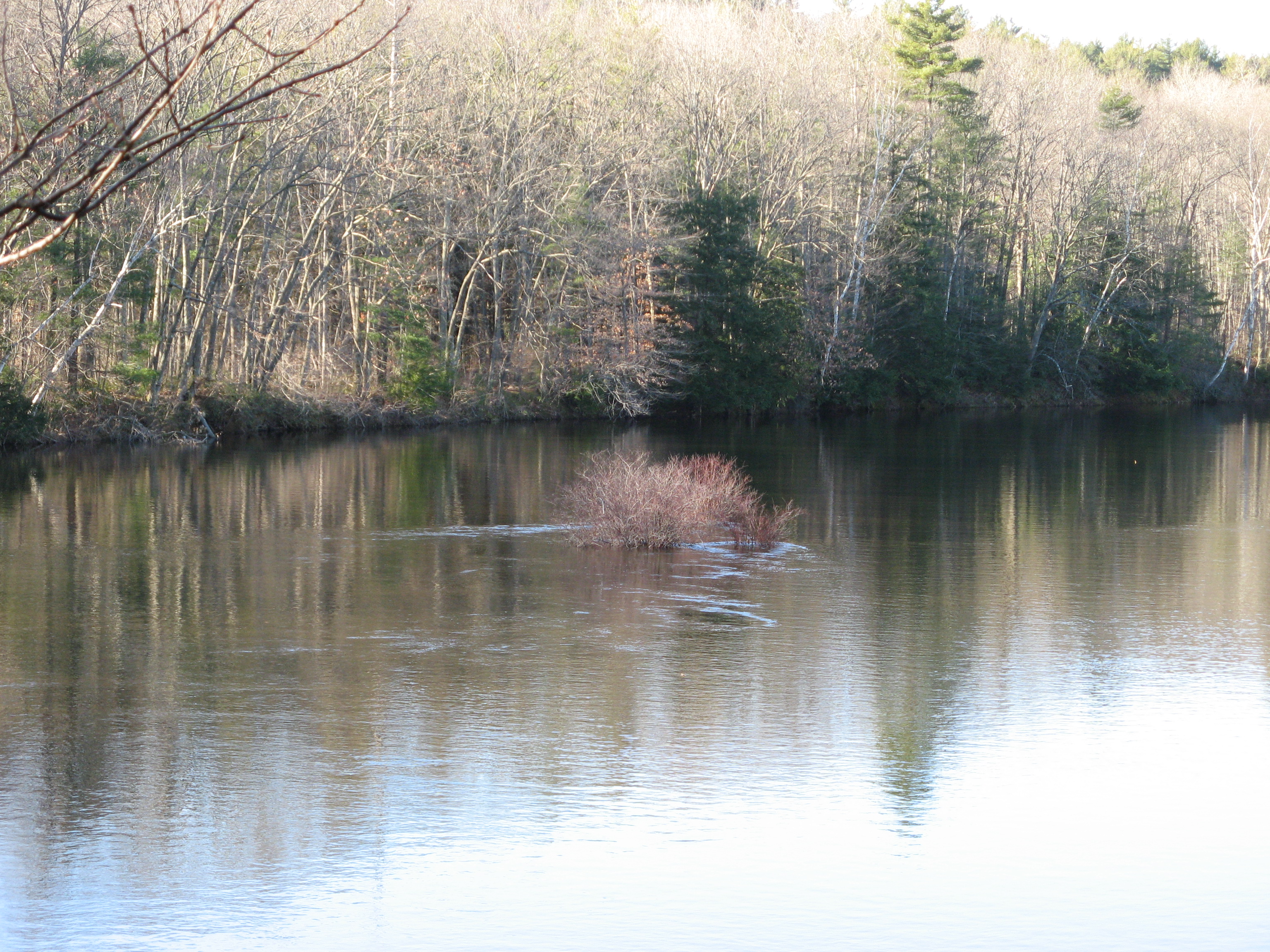
IMG_0218(Photo by Robert Barossi)

by Robert Barossi

For today’s blog post, another chapter from my upcoming eBook. This chapter features the story of a volunteer from New Hampshire who worked to protect Grafton Pond, an area owned by the Society for the Protection of New Hampshire Forests.

Teachable Moments: Linda Howes

On an autumn Sunday afternoon, Linda Howes, a land steward with the Society for the Protection of New Hampshire Forests, welcomed me into her home, where we ate locally grown apples and talked at length about Linda’s life spent in the outdoors, her land steward work at Grafton Pond and her love of loons. While many environmental volunteers are inspired by a particular place or environmental issue, some are inspired by another person, and Linda is one such volunteer. Growing up in Massachusetts, Linda came into contact with Marion Stoddart, a fellow resident of the town of Groton who had made a huge impact on the local environment. Stoddart is credited with leading the fight to clean up the Nashua River, once listed as one of the most polluted rivers in the United States. A suburban housewife at the time, Stoddart started a movement that engaged the local community and changed the face of their river forever. Her advocacy, lobbying, petitions and mobilizing efforts were proof that one person could make a difference and an inspiration for many other everyday citizens. Passion and drive equal to Stoddart is clear in Linda, who’s filled with youthful exuberance and endless enthusiasm for the causes she cares about.

Linda considers Stoddart “a beacon,” describing her by saying, “She’s an amazing woman…She lived nearby and she decided she was going to do something about the heavily polluted river running through their community. She was housewife and she ended up talking to the paper mills and started this whole movement on her own and got change. She was amazing. She was kind of mentor for me and how she was just out there, you know, she could do it. I’m sure I must have heard her speak somewhere, probably in Groton, and was just so enthralled with this woman taking on big industry and going to Boston, speaking out. She was an inspiration, absolutely. And she went on to found an organization called Outdoor Vacations for Women Over 40 and when I was under 40, I did some teaching for her and for her group. She had led trips all over the world, cross country skiing and bicycling and all kinds of stuff and I did some cross-country skiing vacations for her and got to know her a little bit then. I just look up to her.”

In addition to meeting Stoddart, growing up in Groton gave Linda the chance to explore the outdoors throughout her childhood. “We lived with woods and apple orchards all around us and we would go out in the morning and not come home till dark and we were out playing, you know. I knew those woods and the apple orchard. We had different trees that looked like different things. We played football and baseball and I was a scout, a girl scout, and my parents would take us hiking up Mount Monadnock on hikes and adventures.”

Linda took her love of the outdoors and nature to college, where she majored in environmental recreation at Greenfield Community College and then at Springfield College. Working in the recreation field, as a waterfront director at a camp, she put herself through college teaching and coaching swimming. Afterwards, she found her way to a career with the U.S. National Park Service and U.S. Forest Service. Her first job, at Ten Lakes Scenic Area in Montana, took her to real wilderness, just outside of Glacier National Park and near the Canadian border. That was followed by work for the Park Service in Wyoming and then another position back in Montana. After another job took her to Acadia National Park in Maine, she ended up back in Massachusetts, working at an environmental and recreational center.

While her career gave her lots of time in the outdoors, Linda also did a lot of outdoor volunteering, including ski patrol, skiing instruction, and search and rescue. She says volunteering has always been in her blood, ever since high school. “I was involved in so much and I think my parents were always involved in things. My dad was an amazing volunteer for the town, so it was always kind of a way of life and I’m very…I’m a very detail oriented person, so I’m really good at organizing, so I would organize all kinds of stuff. I was student council president in high school; I would organize all the dances and stuff that would go along with that.”

After moving to New Hampshire, she says that she and her husband would camp and canoe frequently and would visit Grafton Pond, close to their home. Linda describes it as a “beautiful little place” that is “out in the middle of nowhere and there wouldn’t be very many people there.” At the same time, she couldn’t help but notice something else.

“There was just so much trash, which astounded me, there was so much trash. Tires in the water and beer cans in the water, the islands were covered with trash here and there,” she says. When she saw an ad in the local paper for a land steward for the Society for the Protection of New Hampshire Forests, she decided to apply, especially since Grafton Pond was one of the properties the society wanted to protect.

“I was interviewed by the land steward coordinator and I ended up being offed the job,” she says. “He told me that it was the job that was most popular, so many people wanted it, so I felt really fortunate to be offered the job and I think mainly it was because of my background, park ranger and all of that. Not only is this almost 1000 acres of land, it’s a public place that lots of people go to, so there’s kind of a policing, I use that word lightly. I went through the training and I also had…there’s two of us that had the position, cause it’s a big piece of property, so I have a land steward partner and he was wonderful. We did so much work out there. We took a refrigerator off one of the islands. A bed frame. All kinds of stuff.”

It was twelve years ago when she first started and Linda says she spends much more time at Grafton Pond now than she used to. She attributes that, in part, to the fact that it’s a much busier place these days. Because of the increasing number of people, she worked with the Forest Society and the state to get the parking lot enlarged and improved.

“The parking lot was horrible, it was maybe twice as big as this room and it was just all rocks and you just drive into the trees,” she says. “People would park on the road but it started being found and it got written up in the quiet waters canoe guide by the Appalachian Mountain Club. In the first printing, they listed Grafton Pond as the best kept secret. So, people started coming from all over and the parking lot just wasn’t gonna work and so I talked to the state and we had them improve the parking lot and they made it bigger. And then we put up a kiosk so there’s an information board and even though the state had big signs that said no camping and no fires, almost every island had a fire ring or two or three. One of them was actually as high as my waist, made of cement, really big. They actually had a latrine out there too, that we broke apart and took out of there. My partner, Jay, he and I just took sledge hammers and broke that whole fire ring apart and threw it in the water. We hit every island over a period of a couple of years.”

Over those years, they cleaned up roughly twenty-four islands, as well as shoreline sites that needed attention. They also worked to add signs in the hopes that people would take better care of the area and its natural resources. “We had signage made that we put up on all the islands, trying to not have it be in your face but once you get there you’ll see ‘no fires’ or ‘no camping’ or ‘pack it in, pack it out.’ So we did all that but I’m still cleaning up fires. It starting getting so busy this year…we also have loons there, now we have three nesting pairs of loons, and you know, I just witness people chasing the loons and harassing them. Not intentionally, but they want to get that picture of the little chicks. It was just hard to watch. And the thing I pick up the most is toilet paper, isn’t that disgusting?”

“Used, I assume?”

“Yeah,” she answers, “Kayaking has gotten so popular and available to the masses. There are so many people out there who have no outdoor etiquette. They don’t know, you know? They don’t know anything about being in the outdoors. I pick up beer cans and the leftover picnic stuff. I’m there a lot more and I’m there especially during nesting season for the loons.”

Linda’s efforts are assisted by the New Hampshire Lakes Association and their lake host program. She says, “They train people and they put them at boat ramps on key lakes, there’s usually a lake association that’s involved. These hosts, often its kids, college or high school kids, will be at the ramp on certain days, certain hours, and they inspect every boat that comes to put in, for invasive weeds. That’s what the program is about.” Working with residents around Grafton Pond, the Forest Society raised the money to hire lake hosts for the season. Every weekend and holiday, Linda says, the boat ramp was manned by someone from 8am to 4pm.

Having that extra help, she says, led to the collection of “incredible information on where people are coming from.” On one day, they conducted over two hundred surveys, one for each boat that wanted to get onto the pond. While the initial intention was to monitor for invasive weeds that might be brought in with some of these boats, the lake host duties were expanded so much more information could be provided to pond visitors. Linda says, “We expanded the job, it wasn’t just about weeds, which is important, but we also taught about the loons and we taught about leave no trace, about packing out your trash, including toilet paper.”

Another important change that Linda helped bring to Grafton Pond was the banning of gasoline motors. Although there had always been a six horsepower limit, Linda says it wasn’t strictly enforced. “No one ever checked and sometimes there were bigger motors there and it just seemed like there was a lot of riff raff that would hang out there too. When we got the ban through, there had to be hearings and petitions and so many signatures and we had to go through all this stuff with the state. It went through, so there’s no gasoline motors, only electric motors.”

The process, which Linda spearheaded, took two years and has led, she believes, to a change in the “flavor” of Grafton Pond. “I look at it like it’s a nature preserve…and the loons, New Hampshire is losing its loon population. It’s such a wonderful place for loons, it’s a perfect habitat. You can go most anywhere with your gasoline motor to fish, let’s not have it be Grafton Pond. There’s plenty of places people can go and many people agreed and fortunately it went through.”

Those kinds of tangible results are part of what keeps Linda motivated. “To have other people love the place as much as I do, it means a lot…to know that I make a difference there and to have people recognize that…the lake hosts, they always say to me, ‘thank you for being here, we’re so glad that somebody is looking out for this place.’ That makes me feel good, it really does.”

Grafton Pond is unique from other properties of the Forest Society in two ways. First, it’s a body of water, primarily, rather than a tract of land. Also, it’s a place that is used and frequented by the public much more than other isolated properties. Linda is hopeful that visitors to the pond will take away something that makes them more careful towards and appreciative of all natural areas.

“With the lake hosts there, they have to teach them, it’s a teachable moment,” she says. “And that is what I feel is the most important job, is to interface with someone, welcome them. We had so many new people this year coming to visit the pond and part of what I would always say and train the hosts to say is, ‘oh, you’re in for such a treat. Let me show you the map so you know where you are. This is a really special place. Don’t tell anyone else.’ We always say that, just to have a laugh about it. And, ‘we appreciate you taking out your trash, do you need a trash bag?’ and some would say they brought one with them. So, it’s just planting those seeds. Teaching them about the loons, saying, ‘the loons are nesting, if you happen to come across a nest, just move away.’ It’s just planting the seeds.”

Linda feels the seed planting is paying off, as awareness of environmental impacts is increasing among the public. “I think that as I said, the flavor has kind of changed at Grafton Pond, where before it was kind of a hangout for people, sitting around and drinking, yelling, partying, going out on the island and partying and camping. Because we have such a presence, I don’t think that happens…I should say that it doesn’t happen as much. I don’t think it happened at all this summer. So I do think because the flavor of who is there has changed too, it has made a difference. I think we are having an impact…We had a few guys who would use it as their bathtub. There was this one place you can hike into, there’s always a bar of soap there. I would take it, there’d be another one. And then I talked to one guy who was taking a bath right at the boat ramp. I said, ‘you know, this is not ok.’ He said, ‘oh I just thought I’d rinse off before I went home,’ and I said, ‘please, don’t do that here.’”

“Was he naked?”

“No, no, but we’ve had all kinds of stories,” she replies with a smile.

While a number of volunteers I met are actively involved in water quality monitoring, there is currently no such program at Grafton Pond. Linda hopes to change that soon. “There’s a local college, I want to see if maybe we can find someone. Also, I want to have someone from the state come and do a weed check throughout the pond. I’m not all that savvy, I pretty much know my plants, but Milfoil is very difficult to discern the invasive from the native. You basically have to send the sample to the state lab and they can tell you. So I have a couple of those things on the agenda for next year and maybe, also, a lead collection program. We’re trying in the state to ban lead fishing tackle and that was something that we worked on this year. There was an amendment that got voted on in the house and the senate, so I went to that hearing and testified. Lead is toxic in any amount. They still have led fishing tackle and a lot of kids and people will take a sinker, squish it between their teeth. And it kills loons. If a loon ingests a lead hook, a lead sinker, a lead jig, it will be dead in two weeks, and it’s a really sad, sad death.”

Linda’s work aimed at protecting the loon population includes a number of volunteer activities with the Loon Preservation Committee. For that group, she keeps track of the loons at Grafton Pond, letting them know nesting dates, hatching dates and how many chicks have hatched. She also got to be involved in the recent effort to band the loons.

“It was fascinating. We only got one pair. We were out there till two or two-thirty in the morning. They weren’t done yet and I decided it was time to go home,” she says, laughing.

Linda’s wide variety of volunteer experiences has also included some of the political and advocacy sides of environmental efforts. “Somebody has to speak up,” she says. “I don’t want to pass it off to the next person and I do what I can. There’s so many platforms to stand on, positions to fight about and argue about. A lot of scary things going on in the world. You have to find your balance and pick what makes the most sense. I could stand up and shout about a lot of things but I don’t want to be that angry person, you know? I just kind of want to do things that I know can have a real impact in my neighborhood”

Linda hopes that there will always be somebody with her dedication around to protect Grafton Pond. Somebody to meet and greet visitors on weekends or every day during the busy season. Someone to look out for the place.

“I am, yeah. I really am,” she responds to my question about whether or not she’s optimistic. “Doing the lake host program was so much work, so much work. We’re looking at how to do it differently next year, cause there was so much paperwork to it. Something has to give and this summer it was my business, I wasn’t able to take it to places I wanted to because I was doing this work. It was ok, you know, it was my choice, but next year I hope to have someone that handles the paperwork and I kind of do more training…I put in 174 hours from May to Labor Day.”

“That’s a lot of hours,” I state the obvious.

“Yeah, it’s like a full time job. Our total number of boat surveys was over 2900. You know, the little lake here in town that you came by, they have a lake host. They’re lucky if they do like sixteen boat surveys all summer long,” she says.

Checking boats that come to put in at Grafton Pond has been one of the most important opportunities for Linda and the lake hosts to teach and show people how they can better respect the natural environment she loves.

“We’re teaching them how to check their boat, so it’s that teachable moment,” she says. “We ask permission, if it’s ok to check the boat for invasive weeds. We look inside. We look on the bottom. We look at their paddles. If it’s a motor we look at where the motor goes in because sometimes there’ll be weeds wrapped around that. If it’s a boat trailer, we look at the trailer and on the license plate cause the trailer can be holding weeds. We teach them how to do that and give them the rest of the spiel. They get a sticker to put on their boat that shows they have been educated. So the next time they come, we know they’ve had the spiel but we still give it to them, just less. We do boat inspection, we find out what was the last body of water they were on. We ask them if they know about invasive species and we kind of tell them about that and what it does to the environment. We tell them what to do if they find any plant material themselves; you throw it well away from the body of water, somewhere where it’s not going to wash back in. And that it is illegal to transport invasive species. We tell them about the loon being threatened, staying two to three hundred feet away, the lead fishing tackle, carry out all your trash, thank you for helping keep this place a treasure and invite them to make a donation towards protection and upkeep.”
Becoming a Volunteer Oceanographer

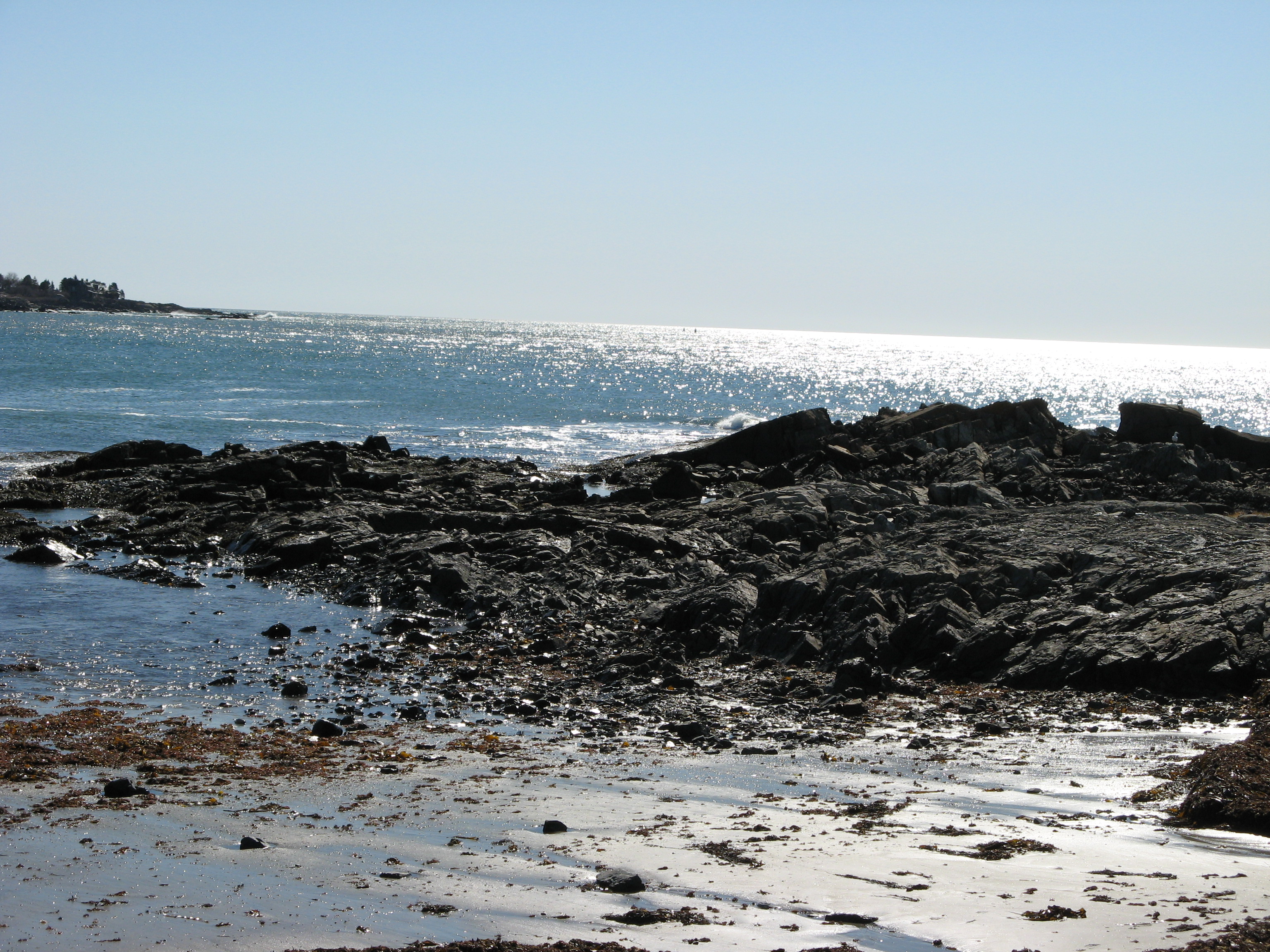
P1000689(Photo by Robert Barossi)

By Robert Barossi

For a while, when I was in high school, I dreamed of becoming a marine biologist or oceanographer. Always fascinated by the ocean, it’s species and ecosystems, I imagined myself out on a boat in the middle of a great blue expanse of water, studying and learning about the seas that cover our planet. For one reason or another, I ended up not  following that career path. My love for and fascination with the oceans never diminished, though, and now it looks like I could still get a chance to do some oceanography, as a volunteer. More accurately, I would be a citizen scientist, like the volunteers mentioned in this story, who are helping oceanographers study far-flung areas of the oceans. As the article mentions, the oceans are so vast, it’s nearly impossible for all areas to be studied and tested accurately, in a timely manner. So, citizen scientists, those who have boats of their own, are being given the chance to study the ocean and provide the professionals with the data they collect. These volunteer sailors will be provided with the proper equipment so that data can be collected, perhaps from previously unexamined regions of the ocean, filling in gaps in the currently available information. So, I might still have a chance to do some oceanographic work after all…I just need to figure out how to afford  to buy a boat.

A Growing Need

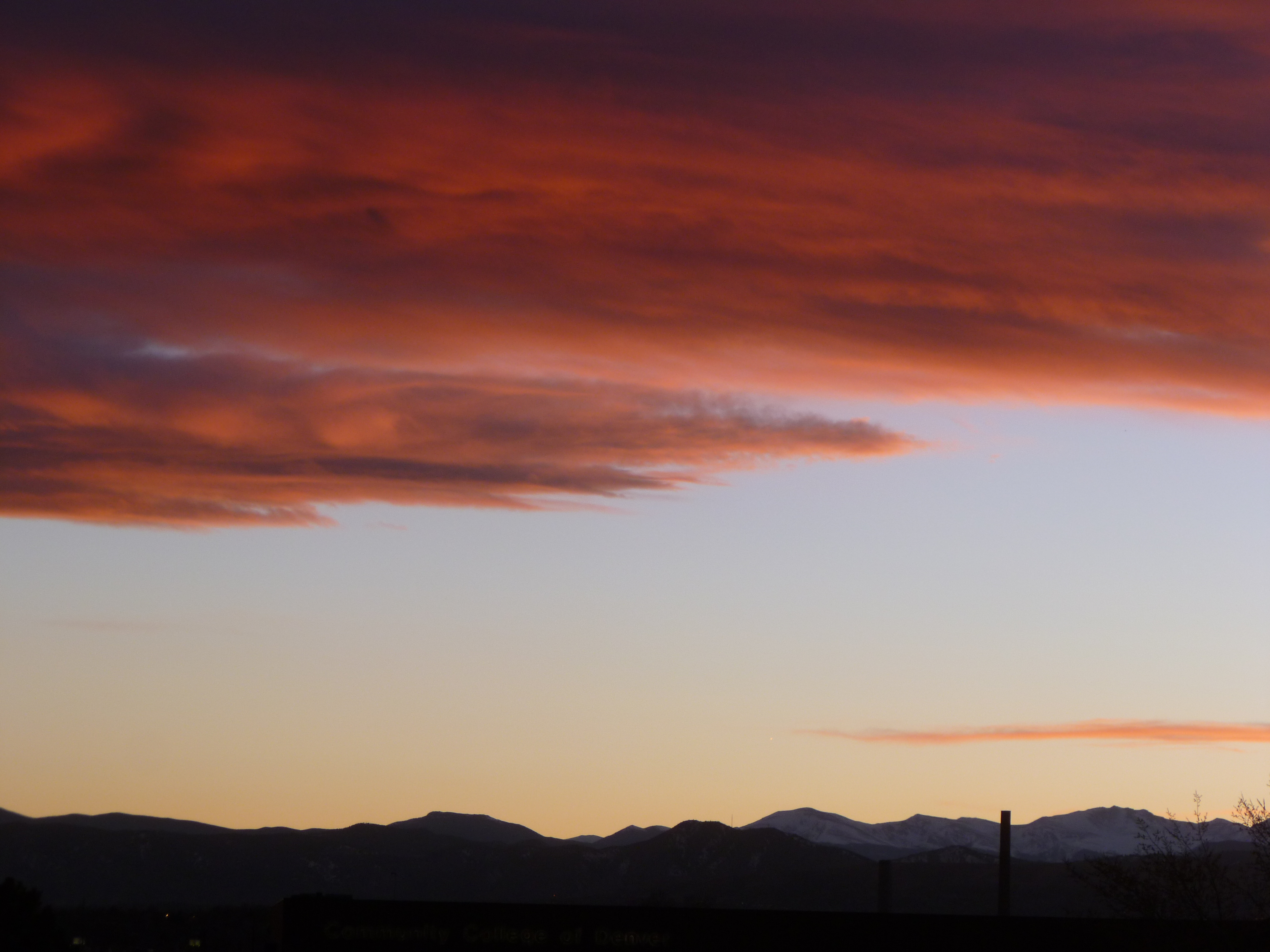
P1010138(Photo by Robert Barossi)

by Robert Barossi

As the posts on this blog have demonstrated, volunteers are an essential and integral part of environmental work. The importance of their role cannot be overstated. In many places, they are becoming even more important and are more needed than ever. In this example out of Denver, more and more people are using local areas for backcountry trips. That is putting more stress on the wilderness areas and the wilderness trails, which are maintained by dedicated volunteers. As more and more of the public treks out into the forest, there’s an even greater need for trail stewards who will educate the public about proper trail usage and make sure the trails remain accessible and intact. This type of need for more volunteers is likely to happen in many places as more and more people return to or rediscover nature and the outdoors.

Friends of Mount Evans and Lost Creek Wilderness is just one of the Denver area groups dealing with this issue.

Walking Across Scotland

ID-100581(Photo by James Barker, courtesy of FreeDigitalPhotos.net)

by Robert Barossi

Came across this great story from Scotland this morning. It’s also something I haven’t really found and posted here on the blog yet, a volunteer who is working to raise money for a cause. This volunteer, Daniel Moonen, is walking across Scotland to raise money for the Scottish Wildlife Trust. Specifically, he is raising money for the organization’s educational programs through the site JustGiving.com, where he has already raised almost 400 pounds. These kinds of efforts are another way that volunteers can have a huge impact for environmental organizations and for our planet. If you have a story or know of a story of a volunteer doing something similar, post it in the comments.

More information here about the Scottish Wildlife Trust.

Rivers Run Deep

IMG_0217(Photo by Robert Barossi)

by Robert Barossi

While I’m working on self-publishing my book, which shares the name of this blog, I’ve decided to post the book’s chapters here as well. This will, I hope, give an even greater audience to these fantastic stories I got to hear firsthand from some wonderful people who do amazing volunteer work. Without further ado, here’s the first chapter: Rivers Run Deep.

Rivers Run Deep: Bill Wilkinson

Someday, while canoeing down the Nashua River in southern New Hampshire, you may see a man standing in the water, casting his fly and waiting for the trout to bite. Or that same man may be riding in a canoe, with a friend, slowly paddling down the river as they partake in “jump shooting,” a form of duck hunting. If you’re anywhere along the Nashua or its tributaries, you’ll have a good chance of running into this man, Bill Wilkinson, as he fishes, hunts and enjoys any time he gets to spend in the great outdoors. A lifelong connection to nature has taken this retired widower all over the world, to great fishing destinations stretching from New Brunswick, Canada to the Yucatan. But it’s here, along the Nashua, where Bill gives his time to organizations such as Trout Unlimited, Ducks Unlimited and the Nashua River Watershed Association (NRWA). Bill is passionate about being a steward of the land, a passion he traces back to his childhood in Concord, Massachusetts, where at an early age he was inspired by Concord’s famous former residents, especially Henry David Thoreau. Sitting with Bill at the Barnes and Noble Cafe, it’s impossible not to absorb some of his infections energy and enthusiasm as he speaks about his love for fishing. The twinkle in his eye, behind his wire rimmed glasses, along with his big smile and laughter, add to his jovial nature. Bill is instantly someone you’d like to share a beer with while floating down the river in your canoe. 

“I was fortunate to grow up in an area that had a fairly large tract of swamp and woodland in back of the house and I spent a lot of time down there. That’s where I first started to learn trees and plants and frogs and turtles and other items and soon became interested in exploring some of the other natural areas in town,” Bill says, specifically mentioning Sam Hoar Forest and the Walden Pond reservation.

While there are plenty of opportunities in Concord to take in as much of Thoreau, Emerson, Alcott and others as one chooses, Bill says he was most interested in the writings of Thoreau and the outdoorsman and author Corey Ford. Speaking about Ford, Bill says, “He wrote a column called “The Lower 40” for Field and Stream. I was subscribing to that and he was familiar with the sportsmen’s club that my family belonged to and he just spun some wonderful stories about hunting and fishing and camping and I just found it delightful.”

A fascination with Thoreau, Bill says, began when he was “just barely old enough to understand something about it,” when his parents took him to Walden. Bill considers the writer “a guy who I thought if I could ever hope to emulate someone’s life, it would be him,” adding that people today can still learn important life lessons from Thoreau. “The overriding impression that I had of him is self-sufficiency and living with nature, and being a part of it. There was the opportunity to explore the Concord River, the Assabet River as well as Walden and I was intrigued by his travels to Maine and I just thought here’s a guy who knows how to live and appreciate all that’s around him but not leave a big footprint.”

When he was a young boy, an uncle taught Bill how to fly fish, something that has provided him numerous opportunities to connect to nature and the outdoors. “I like the areas that you go when you’re trout fishing or salmon fishing, they are beautiful areas, they’re wild areas. And it may sound a little corny but I feel like I’m in a natural cathedral, I feel closer to god in a river than anywhere else. I’ve been so fortunate to travel to places to fish that I never would have gone to otherwise. Been to Iceland several times, been down to Patagonia, to some beautiful places in the states, Wyoming, Colorado. I also love the ocean, every year I go down for a week of fly fishing in the salt water flats in the Yucatan-Belize border. We fish in a preserve down in the Yucatan that is just spectacular; you can see birds and plants down there that you’d never see anywhere else.”

Five years ago, Bill was introduced to the Nashua River Watershed Association, when staff members of that organization visited his Trout Unlimited chapter. Bill says that as soon as he heard what the NRWA was all about, he instantly wanted to be involved. In fact, he went to the organization’s headquarters and started volunteering the very next week. I ask him what caused such a strong and immediate reaction. “It was the connection between supporting cold water fisheries, what they do in monitoring the water conditions, and my love of trout fishing, it just clicked.”

While Bill’s enthusiasm for trout fishing in general is undeniable, a passion for his local rivers runs the deepest. “There are really two great rivers, the Squannacook runs through Townsend and eventually into the Nashua River and the Nissitisset River, it runs through Pepperell and into the Nashua, they are both wonderful trout streams and they have some tributaries of their own that are great cold water fisheries as well. I would love to think that the water sampling that my good friend Art and I do for NRWA on a monthly basis will help contribute to an understanding of the Squannacook and also the Nissitisset and help to maintain them as trout streams for generations to come.”

Monthly water sampling excursions have increased his own understanding of the ecology of these rivers and what threatens them, Bill says. “There are some environmental influences that have been particularly apparent, last summer and this summer, with low water conditions and warm water…I’ve been able to see firsthand the impact of losing dissolved oxygen in the water. There are some wonderful reports that are published by NRWA over quite a long period of time, you can see variations in the dissolved oxygen level, in the water temperature, how it’s affected by rainfall, and there’s a very close correlation between rainfall and ambient temperatures and what the river conditions are.”

“It’s not just a local effect,” he adds. “I’ve been fortunate enough to go Atlantic salmon fishing up on the Miramichi River in New Brunswick. Been fishing there every year since 1972 and for the very first time in my memory, the Miramichi, due to higher water temperatures and low water conditions, has been closed to fishing entirely. There are salmon in the estuary, waiting to come upriver, but until the water level rises and the temperature drops, they’re not going to come up. It’s such a precious natural resource, wild Atlantic salmon. The sport fishermen, although disappointed that they’re not fishing, would rather see the resource preserved.”

In his home town, Bill believes that the Nashua River Watershed Association is having a significant impact on the area’s rivers and streams. Specifically, he says, is an enormous impact on the quality of the Nashua’s water. According to Bill, effluent from a local paper plant has in the past caused the river to run different colors over the course of the week, from red to blue to yellow or green. He credits the NRWA with getting that source of pollution cleaned up, saying, “The river has responded beautifully, there’s fabulous populations of largemouth bass, perch, a lot of water fowl in the river now, there’s osprey and eagles. It’s nice to be a part of that. I’d like to think that their efforts in monitoring these rivers will have a long term positive effect on maintaining those rivers as cold water resources.”

Bill’s efforts, along with his partner, Art, take place once a month when they go to the same precise spot along the river. He calls himself the “water boy,” the one who actually goes in the river, while Art fills out the standard forms. They execute a variety of tests which check for e. coli, water temperature, conductivity and dissolved oxygen. They arrive at the river in West Townsend at seven in the morning, after which they move to a second spot along the river close to Townsend center. After testing is completed, they take note of animal tracks, interesting vegetation, as well as the speed and clarity of the water.

Bill also remains involved with Trout Unlimited and Ducks Unlimited. He describes Trout Unlimited as a national organization with significant political influence working very effectively for the preservation and restoration of cold water streams. He says, “All of the local chapters are volunteers. One of the things that our local chapter, the Squannatisset, did was to build an access platform on the banks of the Squannacook for handicapped people who wanted to go fishing. We put in a ramp that is wheelchair accessible so people who are disabled can get down to the river and fish there if they choose to. Members of the chapter will also help to stock the river; state hatcheries will provide us with fish which we take in a canoe to the river in different spots, so they are not all just dumped in by a bridge.”

“Trout Unlimited and Ducks Unlimited, I’m not as actively involved with them as I have been in the past, particularly with Ducks Unlimited,” Bill adds. “I was very deeply involved in fundraising activities for them, sponsoring days for kids. We always had a weekend that we put on for kids to learn about water fowl and safe gun handling and have a chance to shoot some clay targets. With Trout Unlimited, I’ve done some fly tying instruction for youth groups and so forth. Just trying to see if there’s some interest in the kids that are in that age group, young kids, if they do have some interest in nature. I’ve been gratified that there really is an awareness of nature, at least in the very small sample that I’ve had a chance to work with.”

One aspect of these organizations that weighs heavily with Bill is that he has a personal connection to what they’re trying to achieve. “I have a fly rod that my wife’s grandfather had and he fished the Miramichi in New Brunswick. I had that fly rod restored and I caught a salmon on that fly rod and my son has caught a salmon on that fly rod in the Miramichi. It’s retired now until my grandsons are old enough to handle that rod and then perhaps there’ll be five generations that will have caught salmon on the Miramichi with that same fly rod. So I like to think that what these organizations are doing is helping to make available to future generations the same opportunities to experience nature that I have had and that my uncle and father and grandfather had as well.”

“I almost feel guilty about feeling so good about doing these things,” Bill says. “Kind of makes you wonder if there truly is something called altruism. Certainly you don’t get compensated for things like this financially, but I take such good feelings from it.” He adds that he is gratified by how many people in his circle of friends and acquaintances “truly appreciate being able to go for a hike through the woods, to go fishing, to have a stream or a pond that’s a natural water system that you can go swimming in…they appreciate the wildlife, and one of the interesting things that has happened over time is the changes that I’ve noticed in wildlife, and I really think it has a lot to do with environmental changes.”

Specifically, Bill mentions seeing many more ticks than when he was a kid as well as noticeable changes in the presence of wildlife. “Robins, bluebirds, always used to go south in the winter, now we have bluebirds and robins that are year-round residents, we have cardinals that are here year round. I never saw a cardinal as a kid growing up. If we were going to see a bear, you’d have to go to a zoo, now I have bears up in my back deck, there are probably more wildlife now than there has been in quite some time, so I’m encouraged at the way nature is so resilient despite all of the affronts that it’s had to endure over the years. It comes back.”

 Volunteering has given Bill the opportunity to experience firsthand some of these environmental changes as well as how they impact the quality of water in streams and rivers. “One of the interesting things that I’ve seen as a water monitor over the years is that there was a dairy farm in Townsend that was upstream of where we do our monitoring and they used to spread the cow manure on the fields and fertilize them and so forth and whenever there was a rain and there was runoff into the river you’d see a big spike in e. coli. Since the farm has been gone, we don’t get those big spikes any longer.”

While he’s been observing those kinds of changes, he’s also become keenly aware of the direct impacts volunteer water quality monitors can have. “In towns such as Fitchburg, where there’s water monitoring done on the Nashua there, if they see there’s been an unusual impact, they’ll notify the water department and the department will investigate. It’s more than just building a baseline…it’s an early warning system.”


Red Solo Cups and Sea Turtles

P1000689(Photo by Robert Barossi)

by Robert Barossi

My last post mentioned a story about college students getting involved in environmental volunteer work after graduation. This story out of the University of Central Florida provides a great example of just one of the many ways students can get involved while still in school. Students will be collecting red solo cups all over campus and making sure they get recycled. Adding another win to that one, for every cup that is recycled, TerraCycle will donate two cents to the Sea Turtle Conservancy. It’s a great way to achieve two important goals with one program. They’re making sure that red solo cups get recycled while at the same time providing important funds to an organization that works to protect endangered sea turtle populations.


Volunteering and Green Jobs

Sea3(Photo by Robert Barossi)

by Robert Barossi

One of the environmental volunteers I interviewed for my book was a young man who had just graduated from college. One reason why he was volunteering was the hope that his work might someday lead to a job, which it did when the local environmental organization hired him to  lead a new project. This happens with many dedicated volunteers who, through their hard work, passion, enthusiasm and experience, prove themselves a valuable asset and are hired by an environmental organization. In Maryland, the Chesapeake Conservation Corps Program is helping recent college graduates do just that. The young volunteers, aged 18 to 25, are being paired with local environmental organizations for a year of volunteer work. The host organizations, including watershed groups, government agencies and nonprofits, will provide the volunteers with invaluable skills and experiences which will quite possibly lead to a job in the future.

Some of the organizations in the program include Chester River Association, Midshore Riverkeeper Conservancy, Environmental Concern, Eastern Shore Land Conservancy. According to the article, 20 to 50 percent of the volunteers end up getting hired by their “host organizations,” like these and others.

More information here on the Chesapeake Conservation Corps and their programs.

Labor Day Recycling

5694_wpm_lowres

by Robert Barossi

Next year, Vermont’s new universal recycling law will go into effect, including a provision which mandates recycling at large festivals, parades and public events. This weekend, a group of volunteers have been helping to conduct an experiment to see how that might work in practice. The volunteers, a group of middle school students who call themselves the “Green Team,” have spent all weekend sifting through trash. Today, they’re spending the Labor Day holiday sorting more recyclables during the all-day events. There’s little doubt they will also be helping to educate the public about what can and cannot be recycled and how to do so. Check out the full article to see how the experiment worked and why there might be a lot of work to do before the new recycling rules become law.

Along the River Walk

IMG_1096(Photo by Robert Barossi)

by Robert Barossi

River walks and parks along rivers are nothing new, especially in urban areas. As conservation and environmental protection have become more of a focus in recent years, these areas along the banks of a river have also become more important. They are an essential part of protecting the river, its flora and fauna, its water and its fragile ecosystem. River walks are also great places for educating the public about all of those things. This story out of Point Huron, in Michigan, demonstrates a few ways in which volunteers do just that. They are using the river walk as a resource to educate and inform the public about the St. Clair River and the river’s water quality.

The River Ramble was organized by the YMCA of the Blue Water Area and led by a staffer from the Michigan Natural Features Inventory.